Can men do laser hair removal safely? Yes, when trained professionals assess the skin, hair, and treatment area carefully. Men commonly treat the back, chest, shoulders, neck, beard line, and intimate areas. Each area behaves differently. Thick back hair may respond well, while gray, white, blond, or red hair can be less responsive.
Dr. David J. Goldberg, a dermatologist and laser specialist, has emphasized: “Laser hair removal is a medical procedure, not a cosmetic shortcut.” That warning matters. Safe treatment depends on suitable equipment, correct settings, cooling protection, and realistic expectations. A clinic should ask about recent tanning, medications, scarring, skin conditions, and previous reactions. It should also perform a consultation or test spot when appropriate.
Expect temporary redness, warmth, or small bumps around treated follicles. These effects often resemble mild sunburn and usually settle quickly. Blistering, burns, pigment changes, and eye injury are uncommon, but poor technique can increase the risk. Darker skin may require specific laser technology and conservative settings. More sessions are usually needed because hair grows in cycles.
The answer is not simply yes.
This guide examines ten practical facts behind the question can men do laser hair removal safely. It also considers shaving, pain, hygiene, maintenance sessions, costs, and provider credentials. Results vary. Hormones, hair density, and inconsistent appointments can change the outcome. Even experienced clinics cannot promise permanent hair removal for everyone. That uncertainty deserves honest attention before treatment begins.
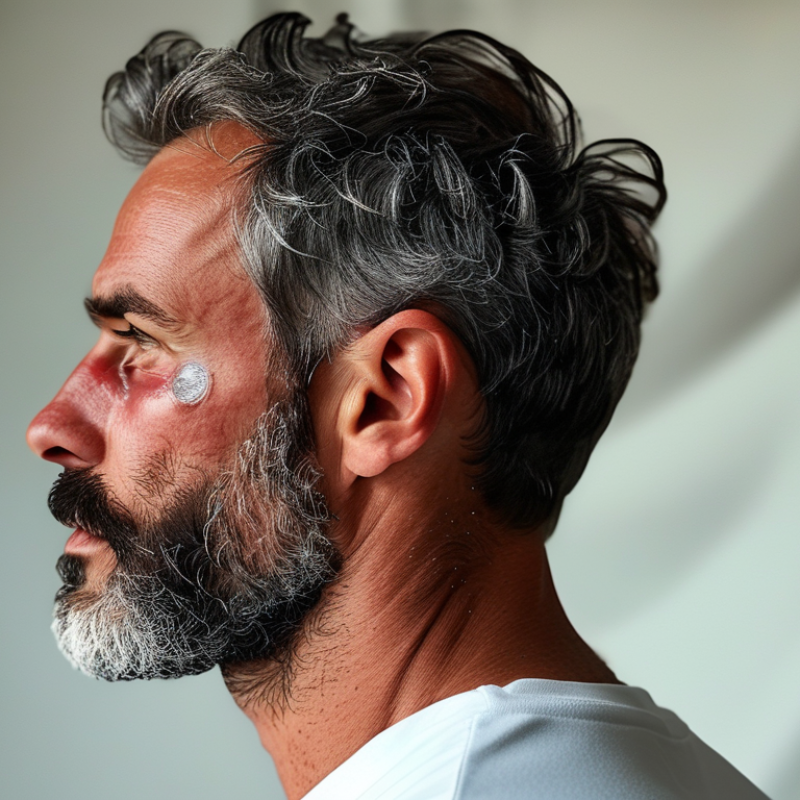
Laser hair removal for men means reducing unwanted hair with controlled light energy. It is commonly used on the back, chest, shoulders, neck, and beard area. The laser targets pigment in the hair follicle, gradually weakening future growth.
It can sting. Many people describe the sensation as warm pinpricks, especially around the neck or groin. Redness and mild swelling may appear for several hours. Results vary because hair thickness, skin tone, hormones, and treatment timing all matter. Shaving is usually preferred before treatment, while waxing can remove the target root and reduce effectiveness.
Safe treatment begins with a professional skin and hair assessment. A trained practitioner should review medications, tanning history, previous skin reactions, and realistic goals. Patch testing can reveal how your skin responds before treating a larger area. Freshly tanned skin needs extra caution, since it may increase the risk of burns or uneven pigmentation. Protective eyewear is essential.
Men with dense facial hair may need more sessions than expected. Hormonal changes can also encourage new growth, so maintenance treatments are sometimes necessary. Laser treatment is not always permanent. That expectation deserves a second look. Choosing stronger settings is not automatically better; excessive energy can damage the skin without improving results. Careful cooling, accurate settings, and follow-up advice matter more than speed.
| No. | Fact | What the Evidence Shows | Practical Guidance for Men | Important Safety Point |
|---|---|---|---|---|
| 1 | Men can generally undergo laser hair removal safely. | Laser hair removal uses concentrated light to heat melanin in the hair follicle and reduce future hair growth. It is used on many areas of the body in adult men. | Generally suitable Consult a qualified medical professional or trained practitioner for an individualized assessment before treatment. |
Safety depends on the device settings, treatment area, skin type, hair characteristics, medical history, and operator training. |
| 2 | It reduces hair growth rather than guaranteeing permanent hair removal. | Several sessions are usually needed because laser energy is most effective when hairs are in the active growth phase. Hair may become finer and less dense over time. | Expect a course of treatments rather than a single appointment. Maintenance sessions may be needed because hormonal and natural hair cycles can lead to regrowth. | Be cautious of claims promising complete, permanent removal for every person. |
| 3 | Hair and skin contrast affects results. | Laser energy is absorbed by pigment in the hair. Darker, coarser hair often responds more readily, while blonde, gray, white, or red hair may respond less predictably. | Discuss realistic expectations during the consultation. A test patch can help assess comfort, skin response, and likely effectiveness. | Different skin tones require carefully selected wavelengths and conservative settings to reduce the risk of burns or pigmentation changes. |
| 4 | Common treatment areas include the back, chest, shoulders, neck, and legs. | Laser hair removal can be performed on many body areas. Facial and neck treatment may require extra care because these areas can be more sensitive and hormonally influenced. | Tell the practitioner about tattoos, moles, scars, skin conditions, and areas of irritation before treatment. | Laser energy should not be directed over tattoos, and suspicious or changing moles should be assessed by a clinician before treatment. |
| 5 | Temporary side effects are common and usually mild. | Short-term redness, warmth, swelling around hair follicles, tenderness, or a mild sunburn-like sensation can occur after treatment. | Follow aftercare instructions, keep the area cool if advised, and avoid unnecessary friction for the recommended period. | Seek medical advice for severe pain, blistering, spreading swelling, pus, or symptoms that do not improve. |
| 6 | Sun exposure can increase treatment risks. | Recent tanning can increase the amount of pigment in the skin, making unwanted heating and pigmentary changes more likely. | Avoid tanning and use broad-spectrum sunscreen as directed before and after treatment. Follow the provider’s specific time restrictions. | Postpone treatment on sunburned or irritated skin. Do not use a tanning bed to prepare for a session. |
| 7 | Preparation usually involves trimming or shaving, not waxing. | Laser energy needs the hair root or follicle as a target. Waxing, plucking, or epilating removes the hair from the follicle and may reduce treatment effectiveness. | Follow the provider’s shaving instructions and arrive with clean skin free of oils, deodorant, or other products when requested. | Do not shave over cuts, rashes, or active skin irritation without professional guidance. |
| 8 | Some medicines and skin conditions require special review. | Photosensitizing medicines, active infections, certain inflammatory skin conditions, and a history of abnormal scarring may affect treatment safety. | Provide a complete list of medicines, supplements, recent procedures, and relevant medical conditions during the consultation. | Do not stop prescribed medicine on your own. A healthcare professional should decide whether treatment needs to be delayed or modified. |
| 9 | Laser hair removal is different from electrolysis. | Laser treatment uses light to target multiple follicles at once, while electrolysis uses an electrical current applied to individual follicles. Each method has different strengths and limitations. | Laser may be more practical for larger areas, while another method may be considered for light-colored hairs that absorb less laser energy. | The most appropriate option depends on hair color, skin tone, treatment area, tolerance, budget, and professional assessment. |
| 10 | Qualified treatment and realistic expectations are essential. | Complications are more likely when unsuitable settings, poor hygiene, inadequate screening, or inexperienced operation are involved. | Choose a properly trained practitioner, ask about the device and safety protocol, request a consultation, and confirm that protective eyewear is used. | Stop and seek professional advice if you experience blistering, significant skin color changes, scarring, infection, or persistent pain. |
It uses controlled light to heat pigment inside hair follicles. This gradually weakens future growth. It reduces hair, but may not remove every strand.
Common areas include the back, chest, shoulders, neck, beard area, and groin. Facial and genital areas need extra caution because sensitivity varies.
Many people feel warm pinpricks or brief snapping sensations. Dense beard hair may feel sharper. Redness and mild swelling can follow.
Many men need two to six sessions, depending on hair thickness, density, skin tone, and timing. Some need more. Hormonal changes can encourage new growth.
Careful shaving is usually preferred before treatment. Waxing or plucking can remove the follicle target. Then the light may work less effectively.
The realistic goal is permanent hair reduction, not guaranteed total removal. Hair may return thinner, lighter, or unevenly. Maintenance sessions may help.
A trained practitioner should review tanning, medicines, skin reactions, and scarring history. A small patch test can expose problems early. It is not a formality.
Temporary warmth, redness, swelling, and tenderness are common. Burns, blisters, scars, or pigment changes are less common. Worsening pain, pus, or spreading redness needs prompt medical review.
Yes, but settings require careful adjustment because skin pigment can absorb laser energy. Recent tanning increases burn and pigmentation risks. Stronger settings are not automatically better.
Laser hair removal is a practical option for men who want to reduce unwanted hair on areas such as the back, chest, shoulders, neck, arms, legs, or abdomen. The treatment uses controlled light energy to target pigment in the hair follicle, gradually weakening hair growth over multiple sessions. Because male hair is often thicker and denser, treatment plans may require patience, professional assessment, and adjustments for different skin and hair types. So, can men do laser hair removal safely? Yes, when the procedure is performed by a qualified professional using appropriate settings and proper hygiene.
Men should understand possible effects, including temporary redness, swelling, sensitivity, or changes in skin color. Rarely, incorrect treatment may cause burns or scarring. Before each session, avoid tanning, waxing, and irritating skin products, and follow guidance about shaving. After treatment, protect the skin from sunlight, keep it clean and moisturized, and avoid excessive heat or friction until it recovers. A consultation is essential for reviewing medical history, skin sensitivity, medications, and realistic results.

 Vutii Beauty