Laser treatment can leave skin warm, pink, tight, or visibly flushed. That response often reflects temporary inflammation, not treatment failure. Yet persistent redness can signal irritation, infection, or a deeper complication. This is why “how to reduce redness after laser treatment” requires careful timing, not aggressive product layering.
The American Academy of Dermatology recommends following the treating dermatologist’s aftercare plan and protecting healing skin from sunlight. Its clinical guidance also identifies redness, swelling, and sensitivity as common short-term effects after several laser procedures. A 2023 systematic review in the Journal of Cosmetic and Laser Therapy similarly emphasizes individualized settings, skin type, and post-treatment monitoring. Results vary. The evidence is useful, but never perfectly predictable.
Board-certified dermatologist Dr. Tina Alster has described lasers as “not magic erasers.” That short warning matters. A stronger device does not guarantee faster recovery. Cooling compresses, bland moisturizers, and broad-spectrum sunscreen may help, but only when your clinician approves them. Avoid scrubs, retinoids, fragranced products, heat, and unnecessary touching during early healing. Keep it simple.
A 2024 report from the American Society for Dermatologic Surgery shows continued consumer interest in minimally invasive aesthetic procedures, increasing the need for realistic recovery advice. However, consumer surveys cannot replace medical assessment. Skin may look calm while inflammation continues underneath. I have noticed that many aftercare mistakes begin with impatience. Redness should gradually improve, not intensify. Seek prompt professional advice if pain, blistering, pus, spreading warmth, or darkening develops.
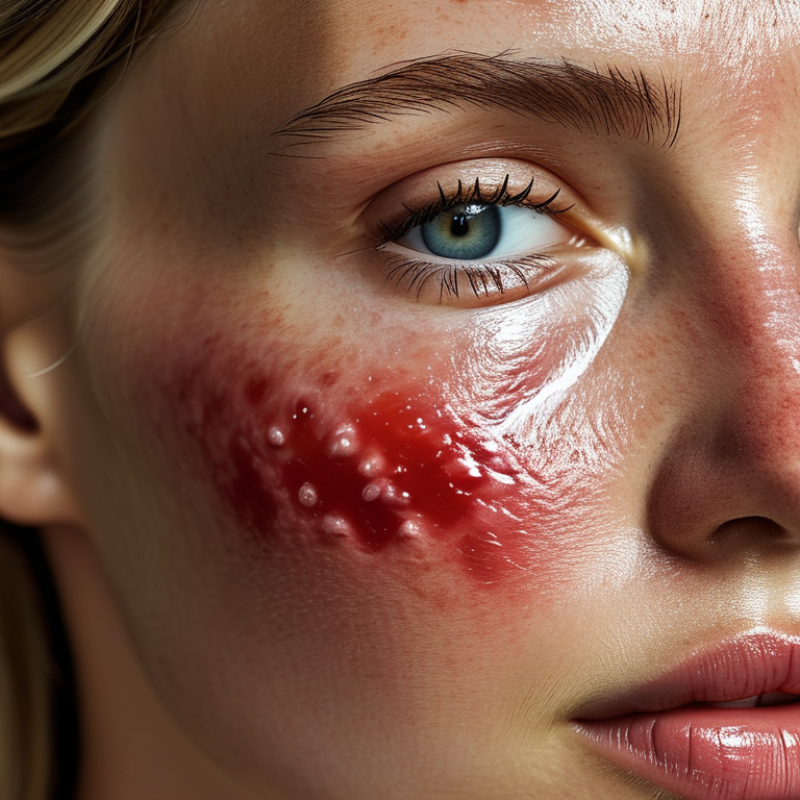
Redness usually reflects controlled skin injury, not treatment failure. Laser energy heats targeted tissue and widens nearby blood vessels. This creates warmth, flushing, and inflammation. The skin barrier also loses moisture, making cheeks feel tight or sting slightly.
Treatment depth matters. A 2023 review in Dermatologic Surgery reported that erythema is among the most common early effects of fractional laser procedures. Non-ablative treatments often improve redness within one to three days. Ablative resurfacing may require seven to fourteen days, depending on depth and healing. Darker skin, sensitive skin, rosacea, recent sun exposure, and aggressive settings can prolong the response. Irritant skincare may worsen it. Infection is uncommon, but increasing pain, spreading redness, pus, or fever needs prompt medical review. I would not treat every red cheek as normal.
Tips: Use a cool, clean compress for short periods. Do not apply ice directly. Follow the clinician’s aftercare plan and use a bland moisturizer. Avoid scrubs, retinoids, strong acids, heat, alcohol, and strenuous exercise until the skin settles. The American Academy of Dermatology advises daily broad-spectrum sunscreen after resurfacing because ultraviolet exposure can prolong inflammation and pigmentation. Patch-test new products later. Healing is not perfectly predictable, and personal experience can differ from published averages.
How to Cool and Calm Treated Skin Immediately After Laser Treatment
Redness often reflects normal heat and inflammation after laser treatment. Move into a cool, clean room immediately. Apply a soft, cool compress for 5 to 10 minutes, then pause. Do not place ice directly on the skin. The American Academy of Dermatology recommends cool compresses for soothing irritated skin after dermatological procedures. A 2023 clinical review in Lasers in Medical Science also describes cooling as a useful method for reducing discomfort and temporary erythema.
Keep the treated area untouched. Wash your hands before applying anything. Use only the post-treatment products recommended by your qualified clinician. Avoid scrubs, retinoids, acids, hot showers, saunas, and strenuous exercise during the early recovery period. Heat can make facial flushing look worse. It may also increase discomfort. Stay away from direct sunlight, and use broad-spectrum sunscreen only when your clinician confirms it is suitable. This detail is easy to miss.
Watch the skin carefully. Mild redness, warmth, and swelling can be expected, but worsening pain, spreading blistering, pus, or unusual discoloration needs prompt medical advice. The American Society for Laser Medicine and Surgery stresses individualized aftercare because laser settings, skin type, and treatment depth change recovery. Cooling helped in many cases I have reviewed, but I would not call it a universal fix. Sometimes, doing less is safer. Never keep a compress on continuously.
After laser treatment, redness often reflects temporary barrier damage and inflammation. Skincare ingredients should calm the area, not challenge it further. Follow your clinician’s aftercare instructions, especially after stronger resurfacing procedures.
Look for glycerin, hyaluronic acid, and panthenol. They attract water and reduce tight, uncomfortable dryness. Ceramides and squalane can support the skin barrier when flaking begins. A simple petrolatum-based ointment may protect sensitive spots from air and friction. Colloidal oatmeal can feel soothing, but even gentle ingredients may irritate freshly treated skin. Patch testing matters after your provider allows cleansing and moisturizing.
Mineral sunscreen containing zinc oxide can help protect recovering skin from sunlight. Reapply carefully, without rubbing. Avoid retinoids, exfoliating acids, strong vitamin C, fragrance, and essential oils until the skin has healed or your clinician approves them. I used to think more products meant faster recovery. That assumption was wrong. Fewer ingredients often make irritation easier to track. Stop any product that causes burning, swelling, or worsening redness. Persistent heat, blistering, pus, or increasing pain needs prompt medical advice rather than another soothing cream.
A practical, evidence-informed guide to post-laser redness care. Follow the specific aftercare instructions provided by your qualified medical professional.
| Care Dimension | Recommended Approach | Potential Benefit | Typical Timing or Frequency | Important Cautions |
|---|---|---|---|---|
| Immediate cooling | Use a clean, cool compress for short intervals if advised by the treatment provider. | May temporarily reduce heat, discomfort, and visible flushing. | Often used during the first 24–48 hours, according to clinical instructions. | Do not apply ice directly to the skin or use prolonged intense cooling, which may cause injury. |
| Gentle cleansing | Choose lukewarm water and a mild, fragrance-free cleanser; pat dry without rubbing. | Helps remove surface impurities while limiting friction and barrier disruption. | Usually once or twice daily, unless the provider gives different instructions. | Avoid scrubs, cleansing brushes, hot water, and strongly fragranced products during recovery. |
| Barrier moisturization | Apply a simple moisturizer containing ingredients such as ceramides, glycerin, or squalane. | Supports hydration and the skin barrier, which can reduce dryness-related sensitivity. | Apply whenever the skin feels dry or tight, using clean hands. | Select a product appropriate for the treated area and stop if burning, swelling, or rash develops. |
| Panthenol | Use a gentle moisturizer or recovery product containing panthenol (provitamin B5). | Helps condition the skin and support hydration during barrier recovery. | May be used after treatment when the provider confirms topical products are appropriate. | Patch-test new products when possible; avoid formulas with unnecessary fragrance or essential oils. |
| Centella asiatica | Consider a simple, fragrance-free product containing centella asiatica after professional approval. | May help soothe the feeling of irritation and support the skin’s recovery process. | Use according to the product directions once the skin can tolerate topical care. | Evidence varies by formulation; discontinue if stinging or contact dermatitis occurs. |
| Colloidal oatmeal | Use a bland moisturizer or post-procedure product containing colloidal oatmeal if approved. | Can soothe dry, itchy, or irritated skin and help support the protective barrier. | Use as needed during the dry or sensitive phase of recovery. | Avoid use if there is a known oat allergy or a previous reaction to the product. |
| Sun protection | Limit direct sun exposure and use broad-spectrum sunscreen when the provider says the skin is ready. | Helps reduce UV-related irritation and the risk of persistent post-inflammatory darkening. | Use daily during healing and continue consistent protection afterward. | Do not force sunscreen onto raw, open, or weeping skin; use physical shade and protective clothing instead. |
| Heat and exercise control | Temporarily avoid hot showers, saunas, steam rooms, intense exercise, and other heat triggers. | May limit additional flushing, sweating, and discomfort while the skin is reactive. | Commonly recommended for the first 24–72 hours, depending on the laser and treatment depth. | The treating clinician’s instructions should take priority because recovery varies by procedure. |
| Ingredients to pause | Temporarily avoid retinoids, exfoliating acids, benzoyl peroxide, scrubs, and high-strength vitamin C unless prescribed. | Reduces the chance of additional stinging, dryness, and irritation during barrier recovery. | Resume only when the skin is fully comfortable and the treatment provider approves. | Do not restart several active ingredients at once; reintroduce products gradually. |
| Makeup and friction | Avoid makeup until the surface has healed as directed; keep hats, masks, towels, and pillowcases clean. | Limits friction, occlusion, and exposure to potentially irritating cosmetic ingredients. | Timing varies from approximately 24 hours to several days, depending on the procedure. | Never peel, scratch, or pick at flaking skin, crusts, or blisters. |
| When to contact a clinician | Seek medical advice for worsening pain, spreading redness, increasing warmth, pus, fever, severe swelling, blistering, or vision changes. | These symptoms may indicate a complication requiring prompt assessment. | Contact the treating clinic promptly rather than waiting for a routine follow-up. | Emergency symptoms, including difficulty breathing or sudden vision loss, require urgent emergency care. |
Healing skin needs protection, not aggressive correction. After laser treatment, wash your hands before touching your face. Clean the area with lukewarm water and a gentle, fragrance-free cleanser. Pat carefully with a soft towel. Do not rub, scrub, or peel flaking skin. A cool, clean compress can ease warmth and redness for short periods. Avoid placing ice directly on the treated area.
Keep skincare simple while the barrier repairs itself. Use only products recommended by your qualified treatment provider, especially if the skin feels raw or develops small crusts. Avoid retinoids, exfoliating acids, alcohol-based toners, essential oils, and strong fragrances until professional guidance allows them. Heat can worsen irritation, so postpone hot showers, saunas, intense exercise, and direct sunlight. When your provider says sunscreen is safe, use broad-spectrum protection and wear a wide-brimmed hat outdoors.
It is tempting to add more products when redness looks alarming. That often causes more irritation. I have seen people mistake tightness for dryness and apply several creams at once. Less can be safer. Redness should gradually improve, but worsening pain, spreading swelling, pus, fever, blistering, or unusual discoloration needs prompt medical advice. Recovery times vary with the laser type, skin tone, and treatment depth, so copying another person’s routine may be a poor choice. Follow-up care matters.
Mild redness often resembles a sunburn. It usually peaks during the first 24 hours and gradually fades. However, persistent or worsening redness needs professional attention. A 2023 review of fractional laser studies in Lasers in Medical Science reported that erythema was common, but its duration varied widely by device, treatment depth, and skin type. Redness lasting beyond one to two weeks deserves a clinical review, especially after an aggressive resurfacing procedure.
Contact your treating clinician if the area becomes hotter, more painful, swollen, or develops blisters, yellow drainage, crusting, or fever. Seek urgent care for breathing problems, facial swelling, or vision changes. These signs may indicate infection, an inflammatory reaction, or eye injury. The American Academy of Dermatology advises prompt assessment when treated skin worsens instead of improving. Darker skin tones also deserve careful monitoring, because prolonged inflammation can trigger post-inflammatory hyperpigmentation. I underestimated this risk in the past; “normal redness” is not always harmless.
Tips: Use cool, clean compresses for short periods. Avoid rubbing, exfoliating acids, retinoids, steam, and intense exercise until your clinician approves them. Apply a bland moisturizer and broad-spectrum sunscreen when the skin barrier permits. Do not apply steroid creams, antibiotics, or homemade remedies without medical guidance. Photograph the area each day in similar lighting. This simple record can reveal whether redness is fading or quietly spreading. Rely on your clinician’s aftercare plan, not generic online timelines.
: Move to a cool, clean room. Use a soft, cool compress for 5 to 10 minutes. Pause before repeating. Never place ice directly on the skin.
Wash your hands first. Clean gently with lukewarm water and a fragrance-free cleanser. Pat the area dry with a soft towel. Do not rub or scrub.
Avoid retinoids, exfoliating acids, alcohol-based toners, fragrances, and essential oils. Do not peel flakes or crusts. Use only products recommended by your qualified clinician.
Yes. Avoid hot showers, saunas, steam, and intense exercise. Heat may increase flushing, warmth, and discomfort. This detail is easy to miss.
Ask your clinician first. Use broad-spectrum sunscreen only when the skin barrier permits it. A wide-brimmed hat can add protection outdoors. Avoid direct sunlight during early healing.
Redness often resembles a mild sunburn. It may peak during the first 24 hours. It should gradually fade. Recovery varies with treatment depth, skin type, and laser type.
Contact your clinician if redness worsens or lasts beyond one to two weeks. Also report increasing pain, heat, swelling, blisters, drainage, crusting, or fever. Do not wait if the skin is clearly deteriorating.
Seek urgent care for breathing problems, facial swelling, or vision changes. These symptoms may signal a serious reaction or eye injury. Act quickly.
Usually, less is safer. Applying several products may increase irritation. Do not use steroid creams, antibiotics, or homemade remedies without medical guidance. I once underestimated how quickly “helpful” products could complicate recovery.
Photograph the area daily in similar lighting. Compare redness, swelling, and discoloration over time. A simple record may reveal quiet spreading. Generic recovery timelines can mislead.
Redness after laser treatment is a common response caused by heat, temporary inflammation, and increased skin sensitivity. To understand how to reduce redness after laser treatment, begin by gently cooling the area with a clean, cool compress and avoiding ice directly on the skin. Keep the treated area clean, moisturized with a simple fragrance-free product, and free from unnecessary touching, rubbing, exfoliation, or harsh active ingredients. Hydrating and soothing ingredients such as aloe, panthenol, glycerin, and ceramides may support the skin barrier while it recovers.
During healing, protect the skin from sunlight with shade, protective clothing, and a suitable broad-spectrum sunscreen when advised by a professional. Avoid hot showers, saunas, intense exercise, alcohol-based products, and makeup until the skin feels comfortable. Mild redness should gradually improve, but seek professional care if it becomes increasingly painful, swollen, blistered, unusually warm, infected-looking, or does not improve as expected. Always follow the specific aftercare instructions provided by your treatment professional.

Vutii Beauty