Is Laser Hair Removal Safe for Sensitive Skin Types?

Time:2026-09-03 Author:Oliver
0%

Laser hair removal is gaining popularity, but many wonder, "Is laser hair removal safe for sensitive skin?" Sensitive skin types often react strongly to various treatments. It is essential to understand how laser technology interacts with delicate skin.

Laser hair removal utilizes concentrated light, targeting hair follicles. However, sensitive skin can be prone to irritation, redness, and other unexpected reactions post-treatment. Dermatologists stress the importance of a professional assessment prior to undergoing any procedure. Each individual's skin is unique; what works for one may not be suitable for another.

Choosing a qualified practitioner with experience in treating sensitive skin can enhance safety. Pre-treatment consultations allow for personalized care plans. Patients should voice concerns and ask questions. Reflecting on past skin reactions can inform the treatment process. Ultimately, safe laser hair removal for sensitive skin hinges on understanding individual responses and expert guidance.
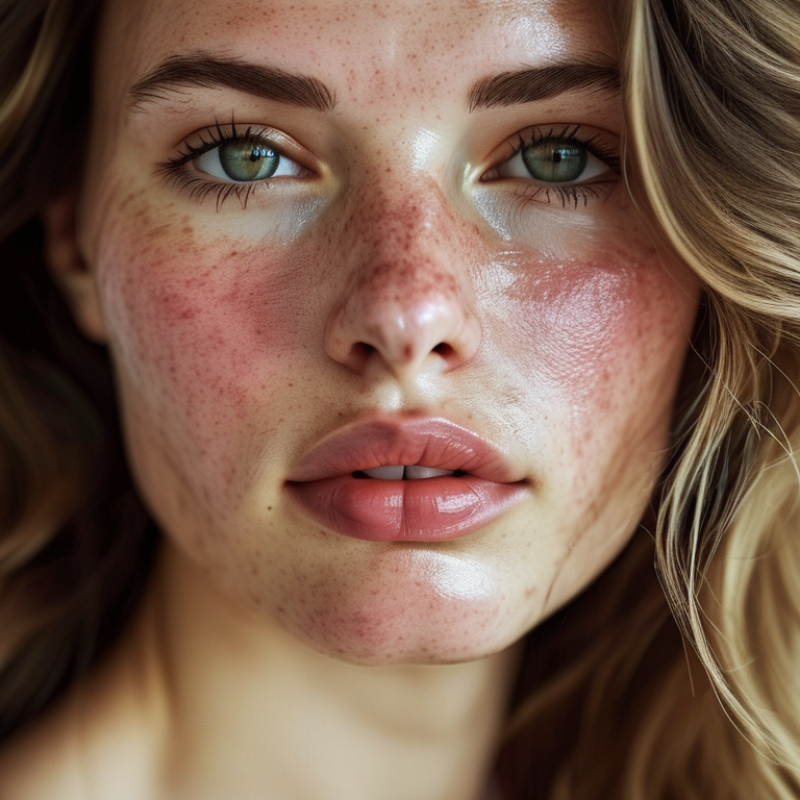
Is Laser Hair Removal Safe for Sensitive Skin Types?

Understanding Laser Hair Removal and Sensitive Skin Types

Laser hair removal can be an effective solution for people with sensitive skin. Understanding how it interacts with different skin types is crucial. Sensitive skin may react unpredictably to laser treatments due to its thin barrier and heightened reactivity. It's important to consult a qualified professional who specializes in this area. They can assess your skin type and suggest the best approach tailored for you.

During a laser session, the procedure should be performed with caution. This means adjusting the laser settings to minimize discomfort and ensure safety. You might experience redness and swelling immediately after the treatment. These symptoms typically subside within hours or a few days. Always communicate any discomfort you feel during the procedure. This helps the technician adjust their methods if necessary.

When considering laser hair removal, here are some things to remember. Choose a clinic with expertise in treating sensitive skin. Research their reviews and track record. Before undergoing treatment, conduct a patch test on a small area to see how your skin reacts. Support your skin with proper aftercare, including soothing creams or gels that can calm irritations. This proactive approach can enhance your laser hair removal experience and reduce potential side effects.

The Science Behind Laser Hair Removal: How It Works

Laser hair removal utilizes a focused beam of light to target hair follicles. This process involves the absorption of light by the pigment in hair, converting it to heat. The heat damages the follicle, inhibiting future hair growth. According to the American Society for Aesthetic Plastic Surgery, over 1 million laser hair removal procedures were performed in 2020 alone, reflecting its popularity and effectiveness.

For those with sensitive skin, this method poses unique considerations. A study published in the Journal of Clinical and Aesthetic Dermatology noted that patients with sensitive skin types could experience increased irritation and redness post-treatment. It is crucial to assess skin type prior to undergoing such procedures. This ensures the selected laser settings and skin-soothing protocols are suitable.

Healthcare professionals often recommend a patch test. This not only helps gauge a patient’s reaction but also provides insights on pain management. It is essential to approach laser hair removal with caution. While many report success, others may need alternative hair removal methods based on their skin response. The choice of a trained practitioner further enhances safety and effective outcomes.

Is Laser Hair Removal Safe for Sensitive Skin Types?

Skin Type Laser Type Recommended Treatments Safety Rating Common Side Effects
Sensitive Alexandrite Laser Lower settings, Cooling gels 4/5 Redness, Swelling
Dry Diode Laser Moisturizing post-care, Gentle techniques 4.5/5 Itching, Temporary pigmentation
Combination Nd:YAG Laser Test patching, Tailored settings 5/5 Minor skin irritation
Oily Ruby Laser Skin analysis and prep, Anti-inflammatory creams 4/5 Puffiness, Temporary redness

Evaluating Skin Sensitivity: Tools and Considerations

When considering laser hair removal for sensitive skin, it is vital to assess individual skin sensitivity. Different skin types react differently to laser treatments. Some individuals may experience redness or irritation post-procedure, which could be concerning. Knowing your skin type can improve treatment outcomes. A patch test is often recommended to gauge how your skin will react.

Tools for evaluating skin sensitivity include the Fitzpatrick scale. This classification helps practitioners understand skin reaction to UV exposure. For sensitive skin, this assessment is crucial. In addition, consulting a qualified professional can help tailor the treatment. An experienced practitioner uses settings that minimize discomfort while ensuring efficacy.

Understanding potential side effects is equally important. While many find laser hair removal beneficial, some may not achieve desired results. In some instances, an allergic reaction can occur. Awareness of these factors can improve your decision-making process. Being informed can lead to a more satisfactory experience.

Safety Measures: Best Practices for Sensitive Skin

Laser hair removal can be a viable option for those with sensitive skin, but safety measures are crucial. According to the American Society for Aesthetic Plastic Surgery, nearly 1.4 million laser hair removal procedures were performed in 2020. Many people report positive results, but sensitive skin types require extra care to prevent irritation.

One fundamental practice is patch testing. A small section of skin should be treated first. This allows for monitoring any adverse reactions. Dermatologists recommend adjusting the laser settings based on individual skin types. Cooler laser wavelengths, such as those in the alexandrite range, can be less irritating for sensitive skin. It's essential to consult with a certified technician to discuss specific skin concerns and preferences.

Post-treatment care plays a significant role in maintaining skin health. Applying soothing aloe vera or a gentle moisturizer can help reduce redness. Avoiding sun exposure for several weeks is critical. Data from the Journal of Cosmetic Dermatology indicates that post-laser care reduces the likelihood of complications by 30%. Sensitivity can vary; thus, keeping an open dialogue with professionals throughout the process is advisable.

Post-Treatment Care: Reducing Risks and Ensuring Comfort

Laser hair removal can be beneficial for many, but post-treatment care is crucial, particularly for sensitive skin types. After the procedure, your skin may experience redness, swelling, or irritation. These reactions are common but can be uncomfortable. To reduce risks, avoid exposing treated areas to harsh sunlight for several days. Wearing loose, breathable clothing can also help minimize friction and discomfort.

Applying a soothing aloe vera gel or a mild, fragrance-free moisturizer can calm your skin. It's essential to stay hydrated, as this aids the healing process. If blisters occur, do not pop them. Instead, let them heal naturally to prevent scarring. Regularly check your skin for any unusual reactions like persistent redness or swelling. Consulting a professional is crucial if you experience any concerning symptoms.

It's important to monitor how your skin responds to treatments. Some people find that their skin becomes more sensitive over time. Adjusting your aftercare routine is essential. Consider developing a personalized strategy with a skincare professional. This can ensure a comfortable experience and enhance the efficacy of the treatment.

FAQS

: What is the main principle behind laser hair removal?

: Laser hair removal uses a light beam to target hair follicles, converting light to heat to inhibit growth.

Are there special considerations for sensitive skin during the procedure?

Yes, sensitive skin might experience more irritation. Assessing skin type is crucial before treatment.

Why is a patch test recommended prior to laser treatment?

A patch test gauges skin reactions and helps manage pain, ensuring individual suitability for the procedure.

What is the importance of post-treatment care?

Post-treatment care, like applying soothing aloe vera, reduces redness and promoting healing is very important.

How can I minimize discomfort after laser hair removal?

Wearing loose clothing and avoiding sun exposure can help reduce discomfort in treated areas after the procedure.

What if I experience blisters after treatment?

Avoid popping blisters to prevent scarring. Let them heal naturally and consult a professional if needed.

How does hydration affect recovery after the procedure?

Staying hydrated helps the skin heal effectively, aiding in reducing discomfort and promoting recovery.

Can my skin become more sensitive after multiple treatments?

Yes, some people may experience increased sensitivity over time, necessitating adjustments to the aftercare routine.

What should I monitor after treatments?

Regularly checking for persistent redness or unusual swelling is vital. Consult a professional if any concerning symptoms arise.

Is it necessary to use a certified technician for laser hair removal?

Using a trained technician enhances safety and effectiveness of the treatment, especially for sensitive skin types.

Conclusion

Laser hair removal can be an effective option for many, but a common concern is whether "is laser hair removal safe for sensitive skin." Understanding the mechanics of laser hair removal is essential; it targets hair follicles using concentrated light, which can be gentle on all skin types when done correctly. Evaluating individual skin sensitivity is crucial, as factors like skin tone and health conditions can influence reactions to the treatment.

To ensure safety for those with sensitive skin, practitioners should follow best practices, including conducting patch tests and using appropriate laser settings. Post-treatment care is equally vital, as it helps reduce the risk of irritation and ensures comfort during the healing process. Ultimately, with careful evaluation and adherence to safety measures, individuals with sensitive skin can successfully consider laser hair removal as a viable option.

Oliver

Oliver

Oliver is a seasoned marketing professional with a wealth of expertise in driving brand awareness and engagement. With a deep understanding of our company's product offerings, he consistently delivers high-quality content that enriches our professional blog. His insights not only shed light on......