Can Laser Hair Removal Cause Skin Damage or Side Effects?

Time:2026-08-09 Author:Henry
0%

Laser hair removal is a popular choice for many seeking smooth skin. However, concerns arise around safety and efficacy. A key question often asked is: "can laser hair removal cause skin damage?" This topic is crucial for anyone considering treatment.

Many individuals report side effects like redness or swelling. These reactions typically subside within a few hours. However, more serious issues can occur. Some patients experience blistering or hyperpigmentation. Such outcomes can lead to long-term skin concerns.

Understanding the risks is essential. Consulting a qualified professional is vital to ensure safety. They can evaluate your skin type and hair color. This assessment helps determine whether you are a good candidate. Overall, while laser hair removal may provide benefits, awareness of potential damage is necessary for informed decisions.
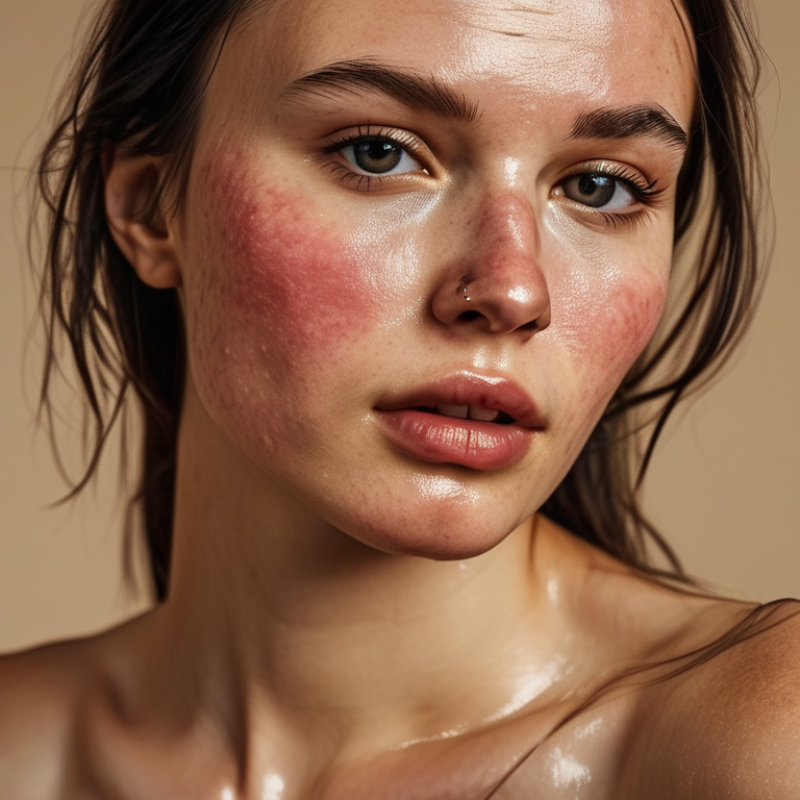
Can Laser Hair Removal Cause Skin Damage or Side Effects?

Understanding Laser Hair Removal: Mechanism and Process

Laser hair removal is a popular technique for long-term hair reduction. Understanding its mechanism is crucial for potential users. The process involves targeting the pigment in hair follicles with concentrated light beams. This energy is converted into heat, which damages the follicle, inhibiting future growth. According to the American Society for Aesthetic Plastic Surgery, over 1 million procedures were performed in 2020, indicating widespread acceptance.

However, potential side effects exist. Some individuals experience temporary redness, swelling, or discomfort. A study published in the Journal of Cosmetic Dermatology found that 3% to 5% of patients reported adverse effects like hyperpigmentation or blistering. These reactions underscore the importance of choosing qualified professionals. Factors such as skin type and hair color can influence results and risks. It’s essential for practitioners to assess individual cases carefully.

Not everyone achieves the desired results. Some hair types may respond less effectively. On darker skin, the risk of burns increases. While technology has advanced, some uncertainty remains. Regular consultations and realistic expectations can help mitigate concerns. Understanding both benefits and limitations is key to making informed decisions about laser hair removal.

Potential Skin Damage from Laser Hair Removal: What to Expect

Laser hair removal is a popular method for reducing unwanted hair. However, it's important to understand potential skin damage and side effects. Unlike traditional methods, such as waxing or shaving, laser treatments target hair follicles directly. This can cause irritation, redness, and sometimes swelling in the treated areas. Most people experience mild discomfort after treatment, similar to a slight sunburn.

Some individuals may notice changes in skin pigmentation. Darker skin types are at higher risk for hyperpigmentation. Conversely, lighter skin can sometimes develop hypopigmentation. These changes may fade over time, but not always. It is crucial to have an in-depth consultation with a qualified professional before undergoing treatment. They can assess your skin type and discuss realistic expectations.

Laser hair removal is generally safe but carries inherent risks. Skin sensitivity varies among individuals, and previous skin conditions can affect outcomes. Proper aftercare is essential in minimizing side effects. Users should consistently apply sunscreen and avoid sun exposure to protect the skin. It's vital to be cautious and well-informed, ensuring you are ready for any potential challenges that may arise.

Common Side Effects of Laser Hair Removal Treatments

Laser hair removal is popular for its effectiveness, but potential side effects should be considered. One common issue is skin irritation. After treatment, the skin may feel red and swollen. This reaction usually lasts a few hours but can be alarming for some. In rare cases, the irritation might develop into blistering.

Another concern involves pigmentation changes. Some people notice skin darkening or lightening in treated areas. This can occur especially in individuals with darker skin tones. These changes can fade over time, but they might be distressing. It's essential to talk to a qualified practitioner about your skin type before proceeding.

Lastly, there’s a risk of scarring. Although rare, improper technique or settings can lead to permanent marks. Although laser hair removal is generally safe, awareness of potential side effects is crucial. Consulting with experienced professionals can minimize these risks and ensure a smoother experience.

Can Laser Hair Removal Cause Skin Damage or Side Effects? - Common Side Effects of Laser Hair Removal Treatments

Side Effect Description Severity Duration
Redness Temporary redness of the skin in the treated area. Mild Few hours to a day
Swelling Minor swelling occurs in response to the treatment. Mild Few hours to a few days
Itching Localized itching after treatment, can be irritating. Mild to Moderate Few hours to a few days
Hyperpigmentation Darkening of the skin in the treated area. Moderate Several weeks to months
Hypopigmentation Lightening of the skin in the treatment area. Moderate Several weeks to months
Blistering Formation of small blisters, though rare. Severe A few days to a week
Scarring Rare but possible, particularly with improper treatment. Severe Permanent

Factors Influencing Risk of Skin Damage in Laser Hair Removal

Laser hair removal is popular for those seeking long-term hair reduction. However, several factors can influence the risk of skin damage during the procedure. Understanding these aspects is crucial for safety and effectiveness.

Skin type and color play a significant role in how well the laser is absorbed. Lighter skin typically reacts better to laser treatments, reducing the risk of burns. In contrast, darker skin may absorb more heat, leading to possible side effects. It's essential to have a thorough skin assessment before undergoing treatment.

Additionally, the experience of the practitioner matters. A novice might not adjust the settings properly, increasing risks. Skin health also affects outcomes. Conditions like eczema or psoriasis can heighten skin sensitivity. Aftercare is equally important; neglecting post-treatment instructions can lead to complications. Awareness of these factors helps individuals make informed decisions.

Post-Treatment Care to Minimize Skin Damage and Side Effects

Laser hair removal is becoming increasingly popular. However, many individuals worry about potential skin damage and side effects. Proper post-treatment care is essential to minimize these risks and ensure optimal results.

After your session, apply a soothing aloe vera gel to the treated area. It helps calm the skin and reduces redness. Avoid sun exposure for at least a week. Sunlight can lead to discoloration and further irritation. Gentle moisturizers are also beneficial. They keep the skin hydrated and promote healing.

Remember to avoid harsh products for about a week. This means skipping exfoliants and retinoids. They can irritate freshly treated skin. Listen to your body and monitor for any signs of adverse reactions. If you experience excessive redness or swelling, consult a professional. Everyone’s skin is unique. Treatment responses can vary from person to person.

FAQS

: What are common side effects of laser hair removal?

: Common side effects include skin irritation, redness, and swelling, usually lasting hours. Blistering can occur in rare cases.

Can skin pigmentation change after treatment?

Yes, some may experience skin darkening or lightening in treated areas, especially those with darker skin tones.

How long do pigmentation changes last?

Changes can fade over time but might be distressing. Consulting a practitioner is crucial for understanding your skin type.

Is scarring a risk with laser hair removal?

Yes, scarring can occur, although it is rare. Improper technique or settings might cause permanent marks on the skin.

What factors influence the risk of skin damage?

Skin type, color, and practitioner experience significantly influence the risk during treatment.

How does skin type affect laser treatment outcomes?

Lighter skin usually responds better, while darker skin may absorb more heat, increasing the risk of side effects.

Why is practitioner experience important?

An inexperienced practitioner may not adjust settings correctly, heightening risks of damage and complications.

How can skin health affect the procedure?

Conditions like eczema or psoriasis can increase sensitivity, leading to heightened risks during and after treatment.

What should be done after laser hair removal?

Following aftercare instructions is crucial. Neglect can lead to complications and impact overall outcomes.

Can individuals minimize side effects?

Yes, consulting experienced professionals and understanding skin types helps minimize risks and improve experiences.

Conclusion

Laser hair removal is a popular cosmetic procedure that utilizes concentrated light to remove unwanted hair. While many people seek this treatment for its efficiency, it's essential to consider whether "can laser hair removal cause skin damage." The potential for skin damage exists, depending on various factors such as skin type, hair color, and treatment settings. Common side effects include redness, swelling, and temporary pigmentation changes, which usually resolve within a few hours to weeks.

Understanding the mechanism of laser hair removal helps clarify these risks. The laser targets hair follicles, and if not correctly administered, it could lead to unwanted skin reactions. Factors like the practitioner's experience and proper post-treatment care are crucial in minimizing the likelihood of skin damage and ensuring a safe experience. It’s vital for individuals to consult with qualified professionals to assess their specific risks and receive guidance on effective aftercare.

Henry

Henry

Henry is a dedicated marketing professional with a profound expertise in the company's offerings. With years of experience in the industry, he possesses an impressive understanding of the market dynamics and consumer behaviors that drive success. Henry is committed to sharing his insights through......