How to Treat Ingrown Hairs with Laser Hair Removal?

Time:2026-09-28 Author:Mason
0%

Ingrown hairs can leave more than a small bump. They may cause itching, tenderness, and dark marks, especially where hair is shaved closely. Can laser hair removal treat ingrown hairs? Often, it can help reduce recurring ingrowns by slowing hair growth. It does not guarantee that an existing trapped hair will disappear, and results vary.

The American Academy of Dermatology explains that laser hair removal usually takes multiple treatments and that hair and skin characteristics affect results. The American Society of Plastic Surgeons’ 2023 procedural statistics recorded roughly three million laser hair-removal treatments in the United States. That figure reflects procedure volume, not proof that every treatment works for ingrown hairs. Still, it shows how commonly people seek the procedure.

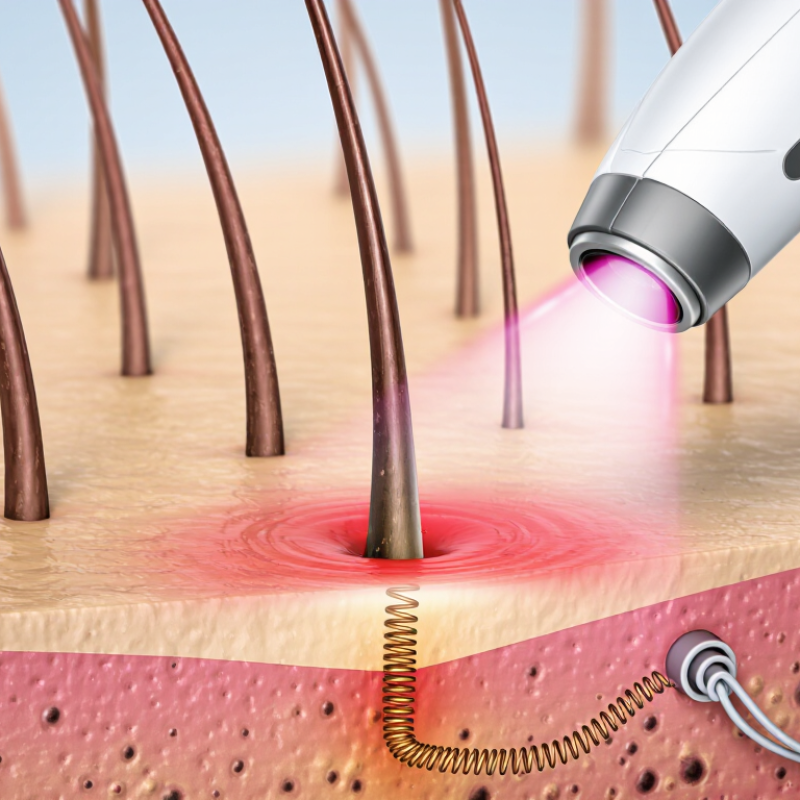
For some people, reducing coarse regrowth means fewer hairs curl back into the skin after shaving. Dermatology literature also discusses laser treatment for pseudofolliculitis barbae, a condition linked to ingrown hairs, particularly in curly-haired patients. Results depend on the device, settings, and provider’s experience with different skin tones. Temporary redness or swelling can occur. Pigment changes are possible, too. A qualified dermatologist can assess the bumps, since infection or another skin condition may look similar. Expect gradual change, not an instant fix. Honestly, even good treatment may leave occasional ingrowns.
How to Treat Ingrown Hairs with Laser Hair Removal?

Confirm Ingrown Hairs and Rule Out Infection or Scarring

An ingrown hair often appears as a small, tender bump after shaving or waxing. Sometimes a curved hair is visible beneath the skin. But not every bump is an ingrown hair. Folliculitis, acne, and small cysts can look similar, so persistent or recurring changes deserve assessment by a qualified clinician. That distinction matters.

Check for warning signs before considering laser hair removal. Increasing warmth, spreading redness, worsening pain, pus, or fever may indicate infection; seek medical care rather than treating the area with a laser. A firm, raised, or thickened patch may suggest scarring, especially if it keeps growing or changes over time. Do not pick or dig for a trapped hair. It can break the skin and raise the risk of infection or marks. Even a careful visual check can be uncertain.

Laser treatment may reduce future hairs and, for some people, recurring ingrowns, but it does not clear an active infection or remove existing scars. Have the area examined first, particularly if bumps are painful, draining, or leaving dark marks. A trained provider should review your skin tone, hair color, medical history, and medicines, then discuss risks such as burns or pigment changes. Timing matters. Wait until irritation or infection has settled. One detail people often miss: laser results vary, and several sessions may be needed.

Match Laser Wavelength to Skin Tone: 755-nm Alexandrite or 1,064-nm Nd:YAG

For recurring ingrown hairs, laser hair removal can reduce the number of hairs that curl back into the skin. The right wavelength depends partly on skin tone and hair color. Skin matters.

A 755-nm alexandrite laser is often considered for lighter skin, where contrast between dark hair and surrounding skin can help target follicles. A 1,064-nm Nd:YAG laser penetrates more deeply and is generally preferred for darker skin tones because it is less readily absorbed by surface pigment. Neither choice is risk-free. Incorrect settings can cause burns or pigment changes.

A qualified clinician should assess your skin, hair, medical history, and any current irritation before treatment. A small test area may help check how your skin responds. For example, bumps along the jawline may improve as treated hairs grow back more sparsely, but results take multiple sessions. Laser treatment does not clear an active infection or guarantee that bumps will never return. That part can be frustrating. Shaving habits, friction, and hair texture still matter, and the best wavelength cannot be selected from skin tone alone.

Prepare the Skin and Review Risks Before the First Laser Session

Ingrown hairs can leave tender bumps, dark marks, and frustration. Laser hair removal may reduce future ingrowns by slowing hair growth, but results vary. Before your first session, ask a qualified clinician whether your skin tone, hair color, and medical history are suitable. Tell them about medications, recent tanning, cold sores, skin conditions, and previous reactions to treatment. Small details matter. Postpone treatment over irritated or infected skin.

Prepare the area exactly as the clinic advises. Many providers ask clients to shave beforehand, but avoid waxing or plucking because the laser needs the hair root. Arrive with clean skin and no makeup, deodorant, or fragranced lotion on the treatment area. Temporary redness and swelling are common. Less common risks include burns, blisters, scarring, and light or dark patches, especially when settings do not suit the skin. Ask how they reduce these risks and whether a test spot is appropriate. It is easy to focus on smooth skin and overlook pigment changes.

Tips: Skip tanning before treatment, and follow the clinician’s timing guidance. Ask about sun protection and aftercare. Wear the provided eye protection. If the area feels unusually painful or develops blisters, contact the clinic rather than guessing. Different skin reacts differently; that uncertainty deserves an honest conversation.

Plan 2–6 Sessions 4–6 Weeks Apart, per AAD Guidance

Laser hair removal may help reduce recurring ingrown hairs by limiting future hair growth. The American Academy of Dermatology describes a course of 2–6 treatments, often spaced 4–6 weeks apart. Hair grows in cycles, so one appointment usually cannot treat every follicle. Your clinician may adjust the timing based on the treatment area, skin, and hair response. Existing bumps may need separate care, and results take patience.

Tips: Keep the area clean and avoid picking or squeezing bumps. Shave if advised, but avoid waxing or plucking between sessions because the laser needs the hair root. Ask a qualified dermatologist whether laser treatment suits your skin tone and medical history. Share any recent tanning or medicines before treatment. Small details matter.

The waiting can feel slow, especially when a tender bump keeps catching on clothing. Still, spacing sessions properly gives your provider time to assess changes and plan the next visit. Redness or temporary discomfort can occur; seek medical advice for severe pain, blistering, or worsening swelling. The schedule is a guide, not a promise—sometimes progress is uneven.

Laser Hair Removal: Example Session Timing

Each range estimates the time from the first session to the last, assuming treatments are spaced 4–6 weeks apart. The American Academy of Dermatology advises that many people need 2–6 treatments; a dermatologist can tailor the schedule to your hair, skin, and treatment area. Results and schedules vary.

Use Gentle Aftercare and Track Hair Reduction at 6, 9, and 12 Months (FDA)

Laser hair removal can reduce the repeated shaving that often triggers ingrown hairs, but it works gradually. The American Academy of Dermatology reports that patients may see about 10% to 25% less hair after one session; several sessions are usually needed. Ask a qualified clinician whether your skin tone, hair color, and medical history make treatment appropriate. After a session, use a cool, clean compress if the skin feels warm, wash gently, and avoid picking bumps. Protect treated skin from direct sun. Keep it simple.

Track the same small skin area before treatment and at 6, 9, and 12 months. Use similar lighting and camera distance, and note new ingrown hairs, irritation, and visible regrowth. The FDA describes permanent hair reduction as a long-term, stable decrease in regrowing hairs, assessed at these follow-up points; it does not mean every hair disappears. A simple count or dated photo is more useful than memory. Consistency is hard. I would still miss a photo now and then, so mark follow-ups on a calendar. If redness worsens, skin becomes painful, or bumps look infected, contact a healthcare professional rather than treating them yourself.

How to Treat Ingrown Hairs with Laser Hair Removal? — Use Gentle Aftercare and Track Hair Reduction at 6, 9, and 12 Months (FDA)

Stage What to track What results may mean Gentle care and practical steps When to contact a clinician
Before treatment Record the treatment area, visible ingrown hairs, irritation, and usual shaving frequency. Take consistent photographs if comfortable. A baseline makes later comparisons more useful. Laser hair removal reduces hair growth over a series of treatments; results vary by hair color, skin tone, device, and treatment plan. Ask a qualified provider whether the device and settings are appropriate for your skin and hair. Tell them about medicines, skin conditions, recent tanning, and any history of scarring. Do not laser an area with an active skin infection. Seek medical advice for painful, spreading, or recurrent bumps, or if you are unsure whether a bump is an ingrown hair.
First few days after a session Note temporary redness, swelling around hair follicles, tenderness, and how long these effects last. Mild, short-lived redness or swelling can occur. It does not by itself show how much long-term hair reduction will occur. Use a cool compress as needed, cleanse gently, and avoid picking or scratching. Follow the treating provider’s instructions; avoid irritating products, friction, and excess heat while the skin is sensitive. Protect treated skin from sun exposure. Contact the provider about blistering, worsening pain, significant swelling, signs of infection, or a skin reaction that concerns you.
Between sessions Track new ingrown hairs, irritation, and hair regrowth. Use the same area and method when comparing notes or photographs. Hair reduction is gradual because hair grows in cycles. Several sessions are commonly needed, and maintenance treatments may be appropriate for some people. Do not pluck or wax treated hairs unless your provider says otherwise; these methods remove the hair needed for laser targeting. Shaving is generally an option when the skin is calm and your provider permits it. Avoid picking at ingrown hairs. Ask for an assessment if bumps keep recurring, become increasingly painful, or leave scars or dark marks.
6-month review Compare hair density, regrowth, shaving frequency, and the number of new ingrown hairs with your baseline. Look for a trend rather than expecting a specific percentage. The number of treatments completed and the time since the last session affect the comparison. Review progress with the treating provider before changing the schedule or settings. Continue gentle skin care and sun protection. Discuss persistent symptoms or limited progress with the provider; they can reassess the diagnosis, device suitability, and treatment plan.
9-month review Repeat the same observations and, if used, photographs under similar lighting and conditions. Compare the amount of regrowth with the 6-month review and baseline. Individual outcomes differ, so avoid treating another person’s results as a benchmark. Follow the clinician’s advice about further sessions or maintenance. Continue not to squeeze or dig at bumps, which can worsen inflammation or cause infection and scarring. Get medical advice for persistent or recurrent inflamed bumps, drainage, spreading redness, or worsening discoloration.
12-month review Record remaining hair growth, any maintenance treatments, shaving frequency, and ingrown-hair recurrence. The FDA uses “permanent hair reduction” to describe a long-term, stable reduction in regrowing hairs measured after a treatment regimen, including follow-up at 6, 9, and 12 months. This means reduction, not guaranteed complete or permanent removal; individual results vary. Review the full-year record with your provider and discuss whether ongoing maintenance or another approach is suitable. Seek evaluation if bumps remain frequent or severe, or if you develop signs of infection or lasting skin changes.
Important: Laser hair removal may help reduce future ingrown hairs by reducing hair growth, but it does not immediately treat every existing bump. FDA-related wording describes a measurement concept, not a promise of a particular result or a universal treatment schedule. A qualified healthcare professional can advise on diagnosis, device suitability, and care for your skin.

FAQS

Can laser hair removal reduce ingrown hairs?

It may slow hair growth and reduce repeated shaving, which can trigger ingrown hairs. Results vary.

What should I discuss before my first session?

Tell a qualified clinician about your skin tone, hair color, medical history, medications, recent tanning, skin conditions, and past treatment reactions. Small details matter.

How should I prepare the treatment area?

Follow the clinic’s instructions. Shaving may be requested, but avoid waxing or plucking because the laser needs the hair root.

What should I avoid on treatment day?

Arrive with clean skin, without makeup, deodorant, or fragranced lotion on the area. Skip tanning as advised.

What reactions can happen after treatment?

Temporary redness and swelling are common. Burns, blisters, scarring, and pigment changes are less common, but worth discussing.

What can I do after a session?

Use a cool, clean compress if the skin feels warm. Wash gently, avoid picking bumps, and protect the area from direct sun.

How much hair reduction might one session provide?

Some patients may see about 10% to 25% less hair after one session. Several sessions are usually needed. It is gradual.

How can I track results over time?

Photograph the same small area at 6, 9, and 12 months. Use similar lighting and camera distance, and note irritation and regrowth.

Does permanent hair reduction mean every hair disappears?

No. It means a long-term, stable decrease in regrowing hairs. A simple count may help; memory can be unreliable.

When should I contact a healthcare professional?

Contact one if redness worsens, pain develops, or bumps look infected. If blisters appear, do not guess.

Conclusion

Can laser hair removal treat ingrown hairs? It may help by reducing hair growth, which can lower the chance of hairs becoming trapped beneath the skin. First, confirm that the bumps are ingrown hairs and not an infection or scarring that needs separate medical care. A qualified clinician can assess your skin and select an appropriate wavelength: 755-nm alexandrite is generally used for lighter skin tones, while 1,064-nm Nd:YAG may be more suitable for darker skin tones. Suitability depends on individual factors, so discuss your skin type, medical history, and possible risks before treatment.

Before the first session, follow the provider’s skin-preparation instructions and review potential irritation, pigment changes, or other side effects. Hair reduction usually takes multiple treatments; a common plan is 2–6 sessions spaced 4–6 weeks apart, consistent with AAD guidance. After each session, use gentle skin care and protect the treated area as advised. Track hair growth and skin changes at 6, 9, and 12 months to assess longer-term results and decide whether follow-up care is needed.

Mason

Mason

Mason is a seasoned marketing professional with a deep expertise in the company's offerings and a passion for driving brand awareness. With a strong background in digital marketing strategies, he has an innate ability to connect with diverse audiences and effectively communicate product benefits.......