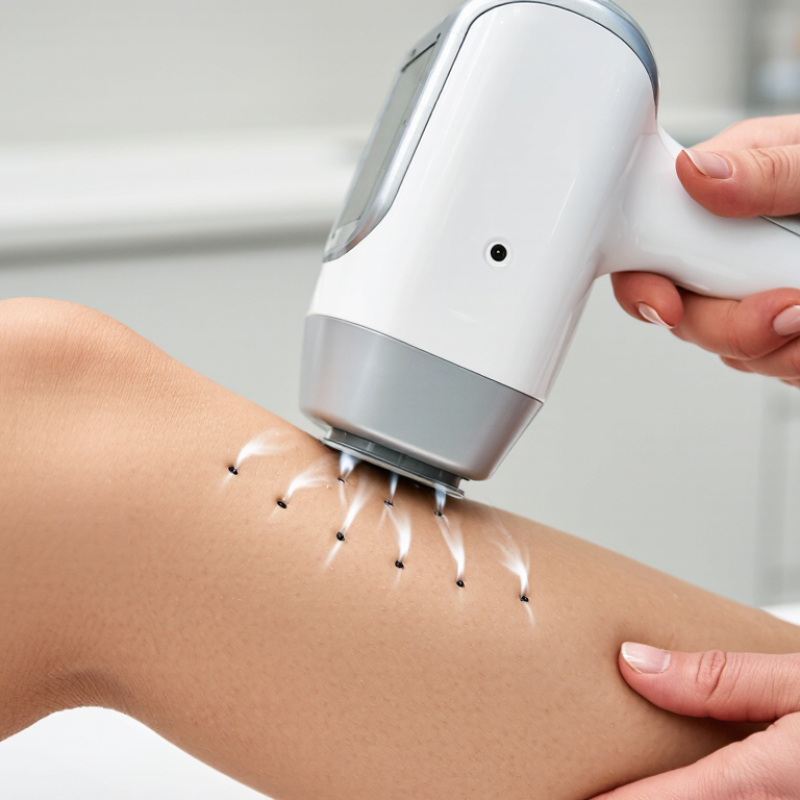
A faint burning smell during laser hair removal can feel alarming. In many cases, it comes from heated hair shafts and surface debris, not burning skin. The laser’s concentrated light targets melanin, the pigment inside darker hair. Heat then travels toward the follicle, where it weakens future growth.
So, why does laser hair removal smell like burning? Board-certified dermatologist Dr. Tina Alster explains the mechanism simply: “The laser light is absorbed by the pigment in the hair.” This absorption can create a brief odor resembling singed hair. The American Academy of Dermatology Association notes that laser hair removal commonly requires multiple treatments because hair grows in different cycles. The U.S. Food and Drug Administration also distinguishes permanent hair reduction from guaranteed permanent removal. That difference matters.
The smell should usually be mild, short-lived, and limited to individual hairs. Imagine a tiny curl of smoke near the treatment window. A strong chemical odor, persistent smoke, blistering, gray-white skin, or intense pain deserves immediate attention. Treatment settings, skin tone, hair color, cooling methods, and device type can change the experience. Darker, coarser hair often produces a stronger odor because it absorbs more energy. Still, smell alone cannot confirm safe treatment. This is where online explanations become incomplete.
This guide examines five practical answers to why does laser hair removal smell like burning. It also separates normal thermal odor from warning signs requiring professional review. Evidence helps, but your skin’s response remains the most important signal.
What Causes the Burning Smell During Laser Hair Removal?
5 Best Answers Why Laser Hair Removal Smells Like Burning?
What Causes the Burning Smell During Laser Hair Removal?
The burning smell usually comes from heated hair, not burning skin. Laser energy targets melanin inside the follicle and quickly vaporizes exposed hair shafts. This creates a sharp, singed odor, similar to burnt hair.
The five common causes are dense hair, longer strands, excess surface oil, residue from skincare products, and excessive heat. A faint smell is often expected. A strong smoky odor is different.
Clinical guidance from the American Academy of Dermatology reports that most patients need two to six sessions. Temporary redness and swelling are also common. However, the U.S. Food and Drug Administration lists burns and pigment changes among possible risks.
Laser-generated plume may contain ultrafine particles, according to occupational-health reviews. Good ventilation matters. The smell alone does not prove a treatment worked. That assumption needs caution.
Tips:
Shave the area as instructed, but avoid waxing beforehand. Arrive with clean, dry skin. Tell the practitioner if the odor becomes intense, or if pain feels sharp and persistent. Cool air may help. Never ignore blistering, gray skin, or spreading redness. A reflective check is useful: normal warmth should settle quickly; worsening discomfort deserves medical advice.
How Laser Energy Affects Hair and Skin
5 Best Answers Why Laser Hair Removal Smells Like Burning?
Laser hair removal smells like burning because laser energy targets melanin, the pigment in the hair. Darker hair absorbs this energy more strongly than nearby skin. The light becomes heat inside the hair shaft. That heat weakens the follicle and can singe the hair above the skin. Hair proteins, natural oils, and tiny skin particles may create a sulfur-like odor. That smell is often expected.
The odor can seem stronger when hair is dense, coarse, or slightly longer. Shaved hair usually produces less smell because less material remains above the skin. Skin cooling helps protect the surface and may reduce discomfort. Mild redness, warmth, or small bumps can appear around follicles afterward. Small details matter. However, intense pain, blistering, gray skin, or prolonged swelling may indicate excessive heat or irritation. Treatment settings should match skin tone, hair color, and body area.
Professional assessment improves safety. A trained practitioner should review medications, recent tanning, and skin sensitivity before treatment. A patch test can reveal how your skin responds, although it cannot predict everything. I would not treat odor alone as proof of effective treatment. Some sessions smell strongly; others barely smell at all. Keep the area cool, avoid harsh products, and follow the provider’s aftercare guidance. Seek medical advice if unusual symptoms worsen or fail to settle.
Why Different Hair Types Produce Stronger Odors
Laser hair removal can smell like burning because the laser heats pigment inside the hair shaft. That heat may singe the exposed hair above the skin. The odor often resembles burnt hair or faint sulfur. Different hair types produce stronger odors because they absorb and hold heat differently.
Coarse, dark terminal hairs usually create the strongest smell. They contain more melanin and have thicker shafts, giving the laser more material to heat. Dense hair can intensify the odor too. Curly or tightly coiled hair may sit closer to the skin, changing how heat and smoke are noticed. Fine, light, or gray hairs often produce less smell because they contain less pigment. However, hair color is not the only factor. Body oils, deodorant, lotions, and trapped moisture can also change the scent.
A mild odor is commonly expected. It should fade quickly after treatment. Strong smoke, ongoing burning, sharp pain, blistering, or unusual redness deserves attention from a qualified practitioner. It is tempting to call every strong smell normal, but that is too simple. Treatment settings, hair density, and cooling methods all matter. Clean, dry skin usually makes the experience easier to assess. If the odor suddenly becomes harsher, pause and ask what changed. Your hair type may explain the smell, but it cannot explain every reaction.
When a Burning Smell Is Normal or Concerning
5 Best Answers Why Laser Hair Removal Smells Like Burning?
A faint burning smell often comes from heated hair shafts, not the skin itself. The laser targets melanin, and coarse hair can briefly produce a singed odor. Experienced practitioners commonly describe this during treatment, especially around the underarms or bikini area. Mild redness and small, raised follicles may also appear. They usually settle within several hours.
The smell becomes concerning when it continues after treatment or comes with sharp pain, whitening skin, blisters, open areas, or spreading redness. The U.S. Food and Drug Administration identifies burns, pigment changes, and eye injuries as recognized risks of light-based hair-removal devices. Published reviews in Lasers in Medical Science also describe temporary redness and perifollicular swelling as common, while blistering and scarring remain uncommon. “Uncommon” does not mean impossible.
Cooling, correct settings, and proper eye protection matter. Skin tone, recent tanning, medications, and hair thickness can change the response. A reputable clinic should record these factors before treatment and inspect the skin afterward. Ask the practitioner to stop if the odor becomes intense or the pain feels sudden. Do not judge safety by smell alone. That is an imperfect test. The FDA’s MAUDE database collects device reports, but it cannot calculate true complication rates because reporting is voluntary. Contact a qualified medical professional promptly if blistering, severe pain, or worsening discoloration develops.
A brief burning-hair smell during or immediately after laser hair removal is commonly caused by heated hair shafts and is usually not concerning when there is no persistent pain, blistering, spreading redness, or unusual discharge. A strong or persistent odor together with skin changes should be assessed by a qualified healthcare professional.
How to Reduce Odors and Protect the Skin After Treatment
5 Best Answers Why Laser Hair Removal Smells Like Burning?
A burning-hair smell often comes from laser energy heating the hair shaft and keratin. It does not always mean the skin is burning. However, strong pain, blistering, or spreading redness needs prompt professional attention. Treatment rooms should have good ventilation, and clean skin helps reduce unpleasant odors. Avoid deodorant, perfume, oils, and heavy creams before your appointment. These products may irritate treated areas or create extra smoke-like smells.
After treatment, cool the skin with a clean, damp cloth for several minutes. Do not place ice directly on the area. Apply a gentle, fragrance-free moisturizer if your clinician permits it. Loose cotton clothing can prevent rubbing, especially after treating the underarms, bikini line, or legs. Keep the area away from hot showers, saunas, intense exercise, and direct sunlight for at least 24 hours, or follow your provider’s instructions.
Use broad-spectrum sunscreen on exposed treated skin once the area feels comfortable. Avoid scrubs, retinoids, and strong acids until tenderness and redness settle. A common mistake is washing too aggressively because the skin feels sticky. Gentle care is safer. Even careful routines are not perfect. If odor continues, pain increases, or the skin develops crusts, contact a qualified laser professional or healthcare provider before using new products.
5 Best Answers: Why Laser Hair Removal Smells Like Burning — How to Reduce Odors and Protect the Skin After Treatment
| No. |
Most Common Reason |
What the Odor Usually Means |
How to Reduce the Odor During Treatment |
How to Protect the Skin After Treatment |
| 1 |
Heated hair shafts |
Usually expected
The laser heats pigment in the hair shaft, which can create a temporary singed-hair smell.
|
Remove excess surface hair by shaving as instructed before the appointment. Avoid waxing or plucking beforehand because the laser needs the hair root as a target. Good ventilation can also make the odor less noticeable.
|
Apply a cool, clean compress if the area feels warm. Avoid rubbing, scratching, hot baths, saunas, and strenuous exercise until irritation settles.
|
| 2 |
Hair or oil on the skin surface |
Residual hair, body oil, lotion, deodorant, or makeup may heat at the skin surface and intensify the smell.
|
Arrive with clean, dry skin. Do not apply oils, fragrances, deodorant, or other products to the treatment area unless the qualified provider specifically allows them.
|
Use only gentle, fragrance-free products recommended for sensitive skin. Do not apply alcohol-based products or exfoliating acids to freshly treated skin.
|
| 3 |
Long or unevenly shaved hair |
Longer hair above the skin can absorb energy and produce more smoke or odor than closely shaved hair.
|
Follow the provider’s shaving instructions, commonly shaving the area about one day before treatment. Do not shave over cuts, open irritation, or active rashes.
|
Keep the area clean and avoid tight clothing that may cause friction. Wait until the skin is comfortable before resuming shaving or other hair-removal methods.
|
| 4 |
Temporary skin irritation or overheating |
Mild redness, swelling around hair follicles, warmth, or a sunburn-like sensation can occur after treatment and often improves within a short period.
|
Tell the provider immediately if the heat feels excessive or painful. The treatment should be paused for a skin check when discomfort is more than mild or expected.
|
Cool the skin with a wrapped cold pack for short intervals. Protect the treated area from direct sunlight and use broad-spectrum sunscreen as directed once the skin tolerates it.
|
| 5 |
Excessive energy or an adverse skin reaction |
A sharp chemical smell, persistent smoke, severe pain, blistering, crusting, or unusual discoloration is not a normal odor pattern and requires attention.
|
Stop treatment and ask for an immediate assessment. A qualified professional should review the device settings, skin type, recent sun exposure, medications, and treatment history.
|
Do not pop blisters, peel crusts, or apply unapproved creams. Seek prompt medical advice for blistering, worsening pain, spreading redness, signs of infection, or pigment changes that do not improve.
|
|
Safety note: A brief singed-hair odor is commonly caused by heated hair pigment. Persistent burning, intense pain, blistering, open skin, or worsening redness should be assessed by a qualified healthcare professional. Follow the specific aftercare instructions provided for your treatment and skin type.
|
FAQS
The laser heats melanin inside the hair shaft. This can singe exposed hair above the skin. The odor resembles burnt hair. Usually, the skin is not burning.
Dense, coarse, or longer hair can create more odor. Surface oil and skincare residue may add smoky smells. Unshaved areas often smell stronger. The room may seem hazy briefly.
No, odor alone cannot confirm effectiveness. Some successful sessions produce little smell. Treatment response depends on hair, skin, and settings. I would avoid judging results by smell.
Shave as instructed before treatment. Do not wax beforehand. Arrive with clean, dry skin. Avoid perfume, deodorant, oils, and heavy creams.
Mild warmth, redness, and small bumps can occur. They often settle within a short time. The skin may feel like mild sun exposure. Not always.
Seek advice for sharp, persistent pain or spreading redness. Blistering, gray skin, and crusting are warning signs. Worsening swelling also deserves attention. Do not wait and guess.
Use a clean, cool, damp cloth for several minutes. Never place ice directly on treated skin. Wear loose cotton clothing to reduce rubbing. Keep the area gently clean.
Avoid hot showers, saunas, intense exercise, and direct sunlight. Skip scrubs, retinoids, and strong acids until tenderness settles. Use gentle products only. Careful routines still are not perfect.
Conclusion
Many people ask, “why does laser hair removal smell like burning?” The odor usually comes from laser energy heating the pigment in the hair shaft and follicle. As the hair absorbs the energy, it can become singed or vaporized, creating a temporary smell similar to burnt hair. Coarser, darker, or denser hair often produces a stronger odor because it contains more pigment and absorbs more energy. The smell may also vary depending on the treatment area, hair length, and individual skin and hair characteristics.
A mild burning-hair smell during treatment is generally normal, especially when it is brief and accompanied by manageable warmth or mild redness. However, a persistent burnt-skin odor, intense pain, blistering, severe swelling, or unusual discoloration may indicate excessive irritation and should be assessed by a qualified professional. To reduce odors and protect the skin, arrive with clean, dry skin, follow hair-removal preparation instructions, avoid applying fragranced products before treatment, and use gentle aftercare. Keeping the area cool and protected from heat and sun can also support comfortable recovery.

 Vutii Beauty