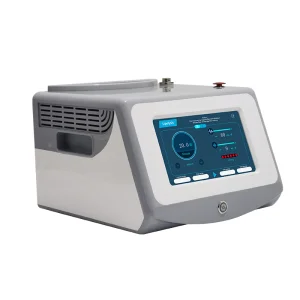
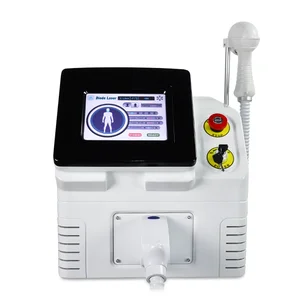
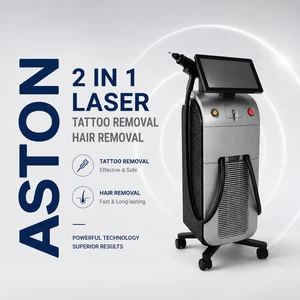
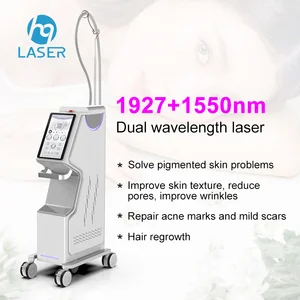
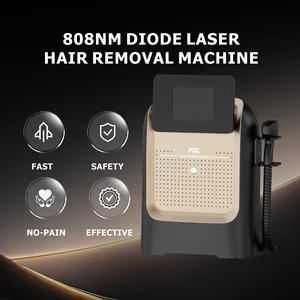
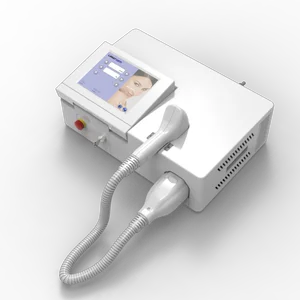
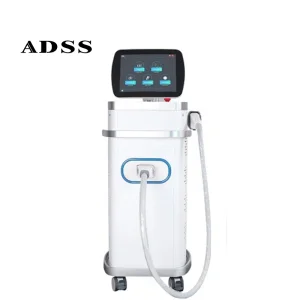
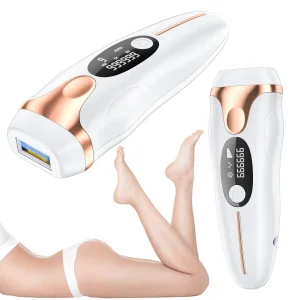
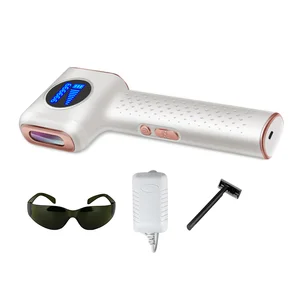
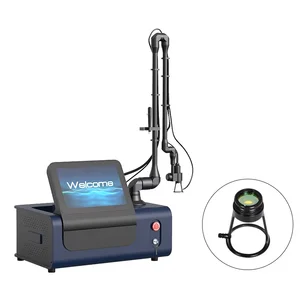
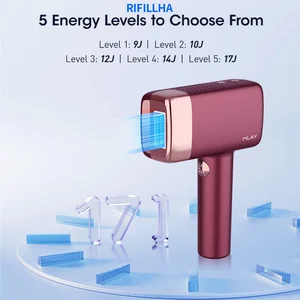
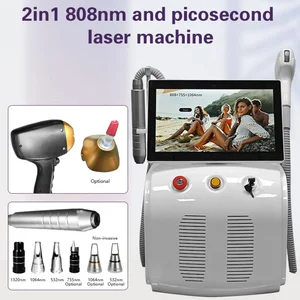
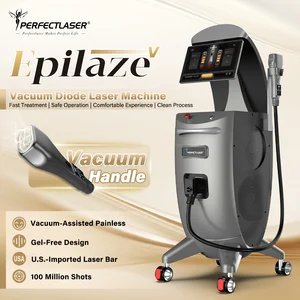
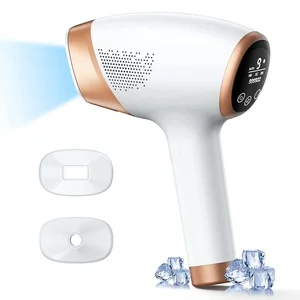
Explore our flagship lineup of medical-grade picosecond, diode, and multi-wavelength laser systems engineered for clinical-grade precision and performance.
Ultrafast laser processing—specifically utilizing pulse durations in the picosecond (10-12 s) and femtosecond (10-15 s) regimes—represents the pinnacle of modern light-matter interaction technologies. Unlike conventional continuous-wave (CW) or nanosecond lasers that rely on photothermal processes to melt and vaporize target materials, ultrafast systems operate via the mechanism of cold ablation.
This rapid energy deposition occurs on a timescale significantly faster than the electron-phonon coupling time of the target lattice. As a result, the target material is converted directly into plasma before thermal energy can conduct into the surrounding substrate. This practically eliminates the Heat Affected Zone (HAZ), preventing micro-cracking, shockwave deformation, and recast layers. In clinical dermatology and medical aesthetics, this translates to precise selective photothermolysis, targeting pigments and dermal structures with zero thermal damage to adjacent skin layers.
Delivers immense peak power intensities with ultra-short exposure, allowing molecular bonds to break down before thermal dissipation can occur.
Guarantees micro-machining and clinical treatments execute without thermal necrosis, micro-cracks, or structural deformation to adjacent material.
By engineering specific wavelengths (e.g., 532nm, 755nm, 808nm, 1064nm, 1470nm, and 1927nm), targets absorb energy with maximum specificity.
Hangzhou Vutii Beauty Co., Ltd. stands as a premier, professional Laser Hair Removal Manufacturer, internationally recognized for its specialization in medical-grade aesthetic laser systems and advanced IPL & diode laser technology solutions. Catering to global beauty clinics, medical distributors, and OEM/ODM partners, Vutii is committed to advancing the frontier of high-performance aesthetic equipment.
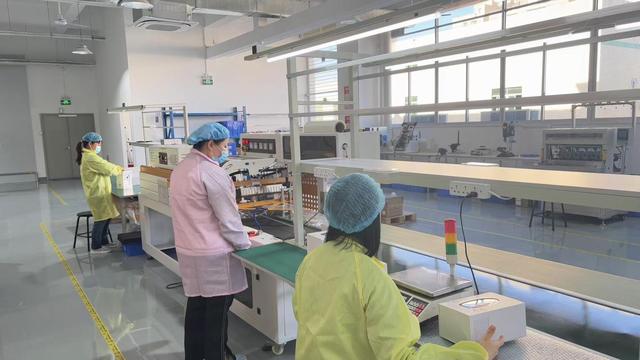
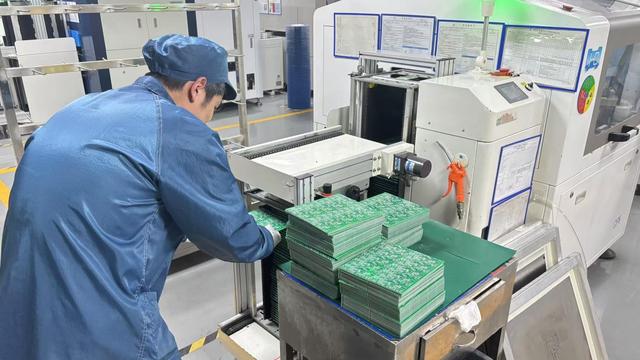
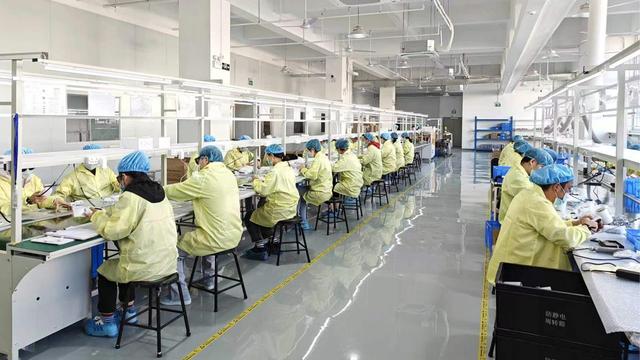
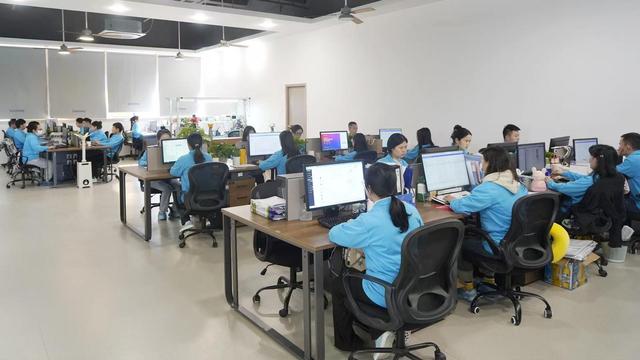
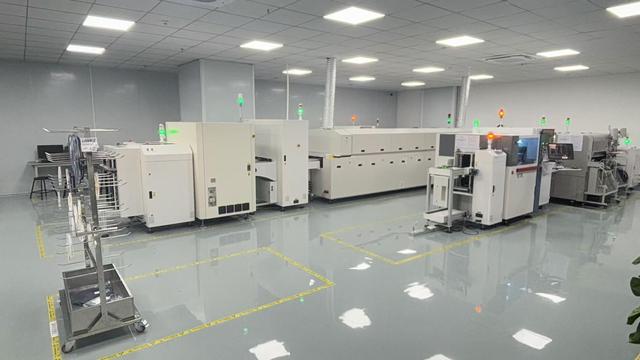
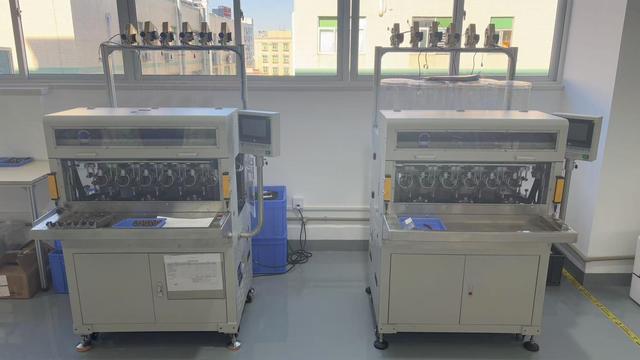
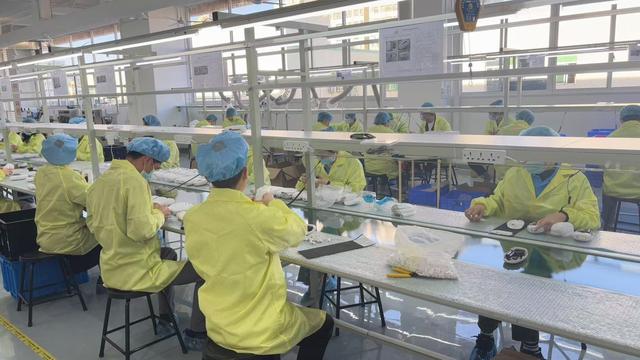
Operating with state-of-the-art manufacturing standards, the enterprise owns a vast production facility measuring approximately 25,000 square meters. This world-class infrastructure is equipped with precision optoelectronic assembly lines, advanced dust-free laser calibration cleanrooms, and stringent multi-stage quality inspection checkpoints. Vutii Beauty coordinates a skilled workforce of approximately 220 staff members, supported by a core division of 15+ optical engineers and medical aesthetics R&D specialists to drive industry-leading technological upgrades.
Vutii's extensive product portfolio encompasses diode laser hair removal systems, versatile IPL aesthetic platforms, multi-wavelength laser systems, portable medical aesthetic devices, and professional-grade salon hardware. By integrating sophisticated active cooling systems (including sapphire contact cooling and micro-channel diode cooling blocks) with advanced real-time energy control algorithms, Vutii systems deliver unparalleled clinical safety, maximum energy throughput, and ultimate comfort.
As a seasoned global OEM/ODM service provider, Hangzhou Vutii Beauty Co., Ltd. offers end-to-end customization capabilities. These include customized chassis industrial design, user-friendly software graphical user interface (GUI) development, corporate branding, custom private label packaging, and clinical parameter presets optimized for diverse Fitzpatrick skin types. The company strictly adheres to international quality assurance protocols, consistently updating its engineering standards to comply with evolving medical device regulations globally.

An authoritative overview of the world's leading manufacturing facilities pushing the boundaries of ultrafast pulse emission technology.
Global leader in industrial ultrafast solutions, pioneering high-power femtosecond laser platforms optimized for semiconductor cutting and OLED display panel annealing.
Industry-renowned for TruMicro series disk lasers, delivering high pulse energies at high repetition rates for micro-drilling and precise glass cutting applications.
Unmatched fiber laser technology provider. Their ultrafast fiber lasers provide robust thermal stability and long-term reliability for round-the-clock manufacturing plants.
Specializes in high-energy scientific and industrial femtosecond lasers, widely integrated in medical device production (e.g., bio-resorbable vascular stents).
Renowned for custom-engineered picosecond and femtosecond lasers, providing high peak-power systems for spectroscopy, nonlinear optics, and industrial research.
A leading OEM/ODM aesthetic factory specialized in commercializing medical-grade picosecond, diode, and fractional CO2 laser systems utilizing advanced optical platforms.
A key manufacturer of precision picosecond lasers used in high-volume microelectronics fabrication and precision micromachining of brittle materials.
A pioneer in research and commercialization of fiber-based femtosecond laser technologies, offering ultra-stable fiber oscillators for medical and imaging systems.
Specializes in photonic crystal fiber-based ultrafast lasers, supplying high-brightness supercontinuum sources and low-noise fiber lasers worldwide.
One of the largest laser systems integrators globally, housing extensive manufacturing pipelines that supply industrial-scale picosecond UV and green lasers for PCB drilling and glass scribing across Asian tech supply chains.
The roadmap for ultrafast laser system engineering focuses on three key developmental vectors: pulse width compression, average power scaling, and wavelength versatility. Historically, femtosecond lasers were restricted to specialized scientific research laboratories due to environmental sensitivity and complex alignment demands. Modern industrial integration has shifted the focus toward fiber-delivery systems, making these devices highly resilient to vibration and temperature fluctuations.
| Laser Type | Pulse Width Range | Primary Physical Action | Main Applications |
|---|---|---|---|
| Femtosecond Fiber Lasers | 100 fs – 900 fs | Non-thermal molecular ionization | Glass cutting, semiconductor scribing, refractive eye surgery |
| Picosecond Nd:YAG / Solid-State | 1 ps – 100 ps | Cold plasma ablation & photoacoustic shock | Tattoo pigment fracturing, micro-hole drilling, metal marking |
| Diode & IPL Aesthetic Platforms | Continuous to Millisecond | Selective photothermolysis | Hair removal, vascular lesion treatment, phototoxicity targets |
| Thulium Fractional Lasers | Sub-millisecond modulated | Non-ablative water-absorption heating | Superficial skin resurfacing, epidermal pigment clearing |
Emerging systems also integrate AI-driven adaptive beam shaping. By utilizing Spatial Light Modulators (SLM) coupled with real-time optical feedback loops, modern laser systems can dynamically reshape a single Gaussian beam into flat-top profiles, ring modes, or multi-spot arrays. This allows factories to divide optical energy efficiently, multiplying throughput while maintaining precise, localized energy delivery.
Ultrafast laser platforms serve a broad range of sectors, providing high-precision material processing capabilities across diverse industries:
Provides crack-free dicing of silicon wafers, sapphire substrates, and Gorilla glass. Ultrafast systems scribe paths with micron-level widths, maximizing chip yield per wafer.
Enables burr-free machining of nitinol stents, catheters, and orthopedic implants. Minimizing post-processing chemical polishing ensures biocompatibility remains uncompromised.
Delivers targeted energies (e.g., Picosecond Nd:YAG 755nm/1064nm, Thulium 1927nm, Diode 808nm) to address skin rejuvenation, tattoo removal, and permanent hair reduction safely across all skin types.
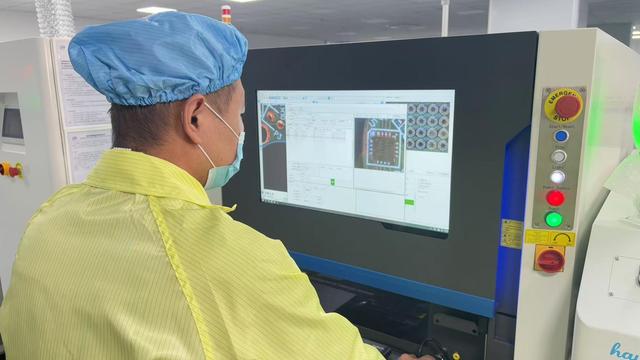
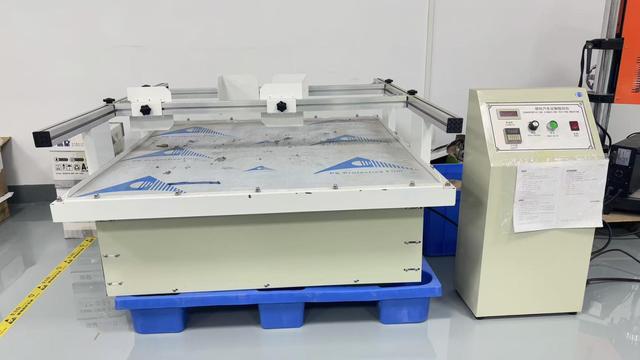
Advanced Chinese manufacturing facilities, such as the 25,000 square meter facility operated by Hangzhou Vutii Beauty Co., Ltd., have transitioned toward "Factory 4.0" systems. This evolution combines digital supply-chain tracking, automated optical alignment systems, and rigorous environmental stress testing (ESS) to guarantee consistency across high-volume production runs.
Key pillars of this manufacturing approach include:
Procuring industrial or medical-grade laser systems requires strict adherence to international regulatory and quality frameworks. Organizations must evaluate manufacturers across several compliance criteria:
ISO 13485 quality system certification, CE MDR compliance for the European market, and FDA 510(k) clearances for clinical efficacy and operator safety.
Compliance with IEC 60825-1 standards for laser radiation safety, along with CE, RoHS, and FCC markings to verify electromagnetic compatibility.
Flexible manufacturing lines capable of tailoring wavelengths, optical spot sizes, cooling capacities, software user interfaces, and custom outer enclosures.
Explore our advanced selection of fractional CO2, high-power IPL, multi-wavelength platforms, and specialized personal care laser equipment.
 Vutii Beauty