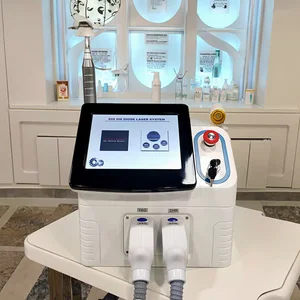
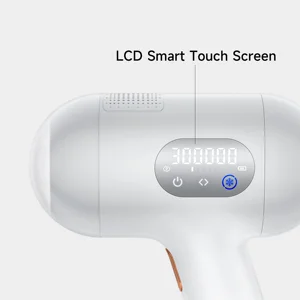
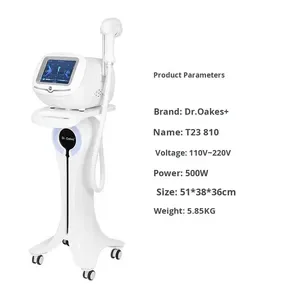
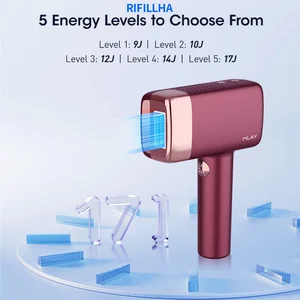
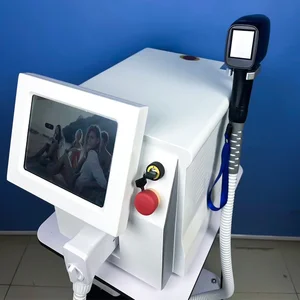
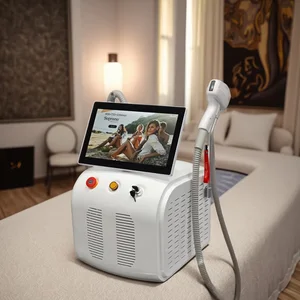
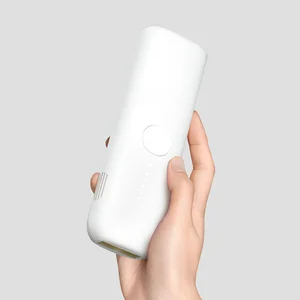
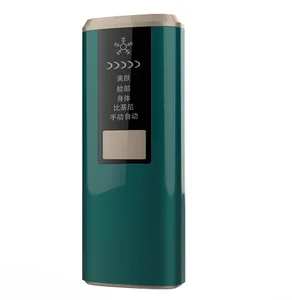
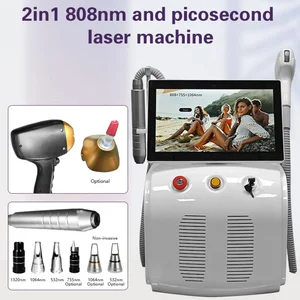
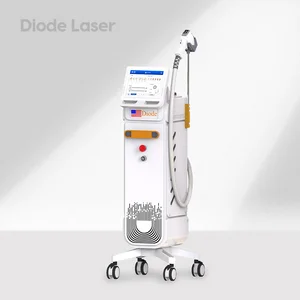
Clinical-grade aesthetic platforms configured with high-power cooling and precise pulse controls for diverse skin phototypes.
Israel boasts one of the most technologically progressive medical aesthetics markets globally. With a highly sophisticated population that prioritizes skin health and visual refinement, clinics in Tel Aviv, Haifa, Jerusalem, and Rishon LeZion demand medical devices characterized by extreme reliability, high safety records, and adaptability. However, the unique demographic composition of the country introduces distinct clinical challenges for hair removal practitioners.
The Israeli population encompasses a highly diverse range of skin phototypes. Practitioners routinely treat Fitzpatrick Type I and II patients (often of Northern/Eastern European descent) alongside Fitzpatrick Type IV, V, and even VI patients (representing Middle Eastern, North African, and Sephardic/Mizrahi heritage). In traditional laser hair removal, treating darker skin phototypes carries elevated risks of post-inflammatory hyperpigmentation (PIH) and thermal burns. This creates an intense industrial and clinical demand for multi-wavelength laser systems that can modulate energy levels and blend 755nm, 808nm, 940nm, and 1064nm wavelengths in real-time.
Furthermore, Israel's clinical regulatory environment, managed by the Ministry of Health (AMAR approvals), aligns heavily with European CE Medical (MDR) standards and US FDA approvals. Laser hair removal factories seeking to serve this market must demonstrate strict quality control systems, electrical grid compatibility (230V, 50Hz single-phase systems), and supply chains free of unreliable sub-components.
Single-wavelength laser systems often present therapeutic limitations. For instance, the Alexandrite 755nm laser features high absorption in melanin, rendering it exceptional for fine, light hair but hazardous for darker skin. Conversely, the Nd:YAG 1064nm laser exhibits low melanin absorption, making it safe for dark skin, but less effective for thin, low-pigment hair. Our multi-wavelength platforms synthesize three to four key wavelengths to target different tissue depths simultaneously:
| Wavelength | Primary Target & Depth | Clinical Application (Israel Demographic) | Safety Threshold |
|---|---|---|---|
| 755 nm (Alexandrite) | Superficial Melanin (Melanosomes in hair shaft) | Ideal for light skin phototypes (Fitzpatrick I-III), fine residual hairs. | High risk of epidermal absorption; requires aggressive skin cooling. |
| 808 nm (Diode Classic) | Bulb region of the follicle (Mid-dermal penetration) | The gold standard for standard hair removal across Fitzpatrick I-V. | Balanced thermal profile; safe with moderate pulse durations. |
| 940 nm (Infrared Diode) | Micro-vascular target (Coagulates feeder blood vessels) | Targets the oxygenated hemoglobin feeding the hair root. | Reduces melanin competition; highly safe on tanned skin. |
| 1064 nm (Nd:YAG Diode) | Deep follicular bulb & papilla (Deepest penetration) | Essential for dark skin (Fitzpatrick V-VI) and deep hair roots. | Minimal epidermal absorption; relies on deep thermal coagulation. |
By combining these wavelengths in a single laser bar array (via advanced micro-channel or macro-channel gold-tin solder packaging), our devices distribute energy across the spectrum. For example, during a 20-millisecond pulse, the 755nm component addresses superficial follicular structures, the 808nm targets the mid-follicle, and the 1064nm safely heats the deep root and dermal papilla. This distribution lowers the required peak energy per single wavelength, preventing epidermal blistering while improving the destruction of follicular matrices.
This multi-wavelength distribution is coupled with an advanced pulse-modulation control system. Operators can choose between custom blended ratios depending on the client’s genetic background and treatment history. This customizability is crucial for medical spas in major Israeli metropolises, where multi-ethnic patient profiles represent the daily reality.
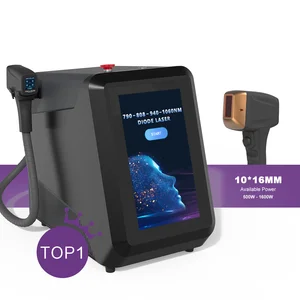
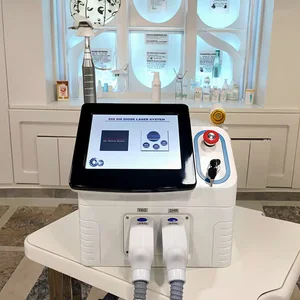
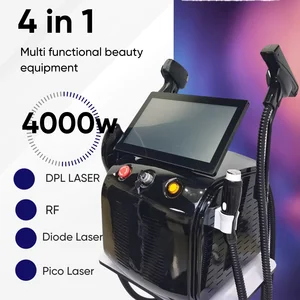
High-performance platforms integrating advanced semiconductor laser diodes and multi-application platforms.
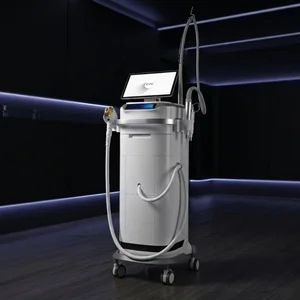
Purchasing agents, medical device distributors, and chain cosmetic clinics in Israel look for manufacturing partners that can scale production without sacrificing safety standards. With aesthetic lasers operating at fluences up to 120 J/cm², manufacturing precision determines whether a handpiece operates for 50 million pulses or burns out after 100,000.
Hangzhou Vutii Beauty Co., Ltd. is a professional Laser Hair Removal Manufacturer specializing in medical-grade aesthetic laser systems and advanced IPL & diode laser technology solutions for global beauty clinics, distributors, and OEM/ODM partners. With a strong focus on innovation, safety, and performance, the company is committed to delivering effective and reliable hair removal and skin care equipment for the global aesthetic industry.
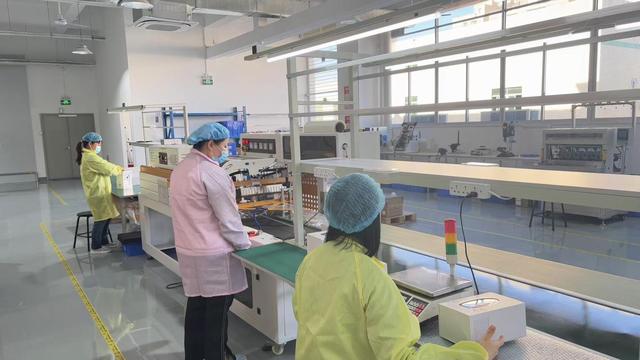
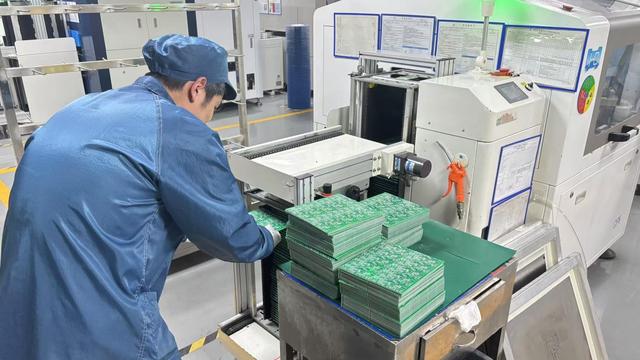
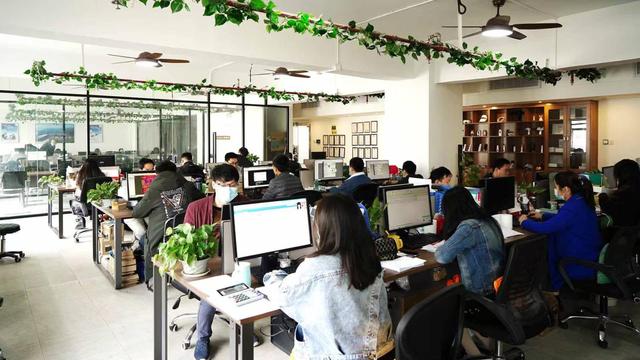
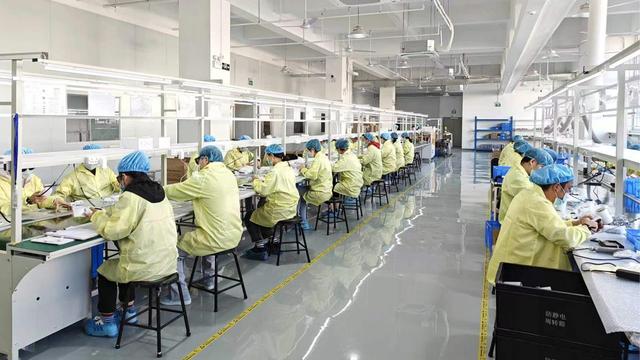
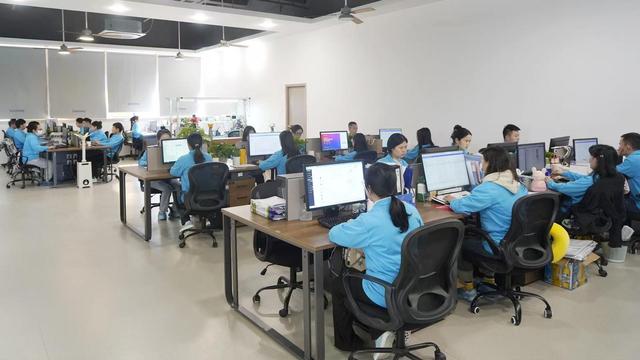
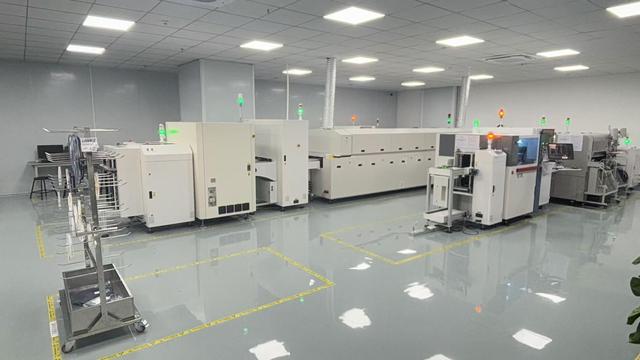
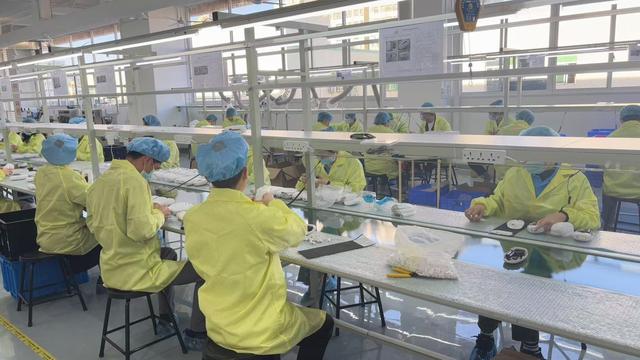
Established with modern manufacturing standards, Vutii Beauty operates a production facility of approximately 25,000 square meters, equipped with precision assembly lines, laser calibration laboratories, and strict quality inspection systems. The company employs around 220 staff members, including 15+ optical engineers and medical aesthetics R&D specialists, ensuring continuous product innovation and technological advancement.
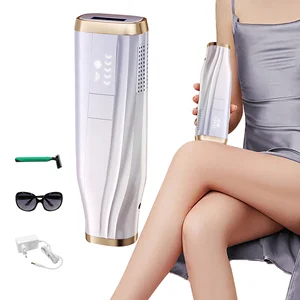
The product portfolio includes diode laser hair removal systems, IPL aesthetic platforms, multi-wavelength laser machines, portable aesthetic devices, and professional-grade salon equipment. All systems are designed to provide efficient hair reduction, improved skin compatibility, and enhanced user safety with advanced cooling and energy control technologies.
As an experienced OEM/ODM supplier, Hangzhou Vutii Beauty Co., Ltd. offers full customization services, including hardware design, software interface development, branding, private label packaging, and clinical parameter optimization. The company follows strict international quality standards and continuously upgrades its production process to meet global medical aesthetic requirements.
For distributors scaling a distribution network across Tel Aviv, Jerusalem, and Haifa, buying a simple laser machine is insufficient. A complete macro solution involves device telemetry, cooling optimization, electrical grid stabilization, and cloud diagnostic systems.
Because Israel experienced rising average temperatures exceeding 40°C in summer months, clinical spaces require machinery that runs constantly. Our devices utilize a triple-cooling system: TEC (Thermoelectric Cooler) + Sapphire Tip Contact Cooling + Water Cooling. TEC cooling blocks regulate water temperatures beneath 25°C, ensuring the laser diode does not overheat and collapse under rapid 10Hz "In-Motion" operating configurations.
To support high-throughput clinical centers, our latest devices run on a customized Android OS. Doctors can create and store thousands of patient treatment profiles locally or sync them via secure protocols. Settings for Fitzpatrick skin typing, hair density, target treatment zones, and session counts are automatically updated, reducing human error.
Global distributors struggle with logistics and repair costs. By integrating Wi-Fi-enabled IoT diagnostic modules, our service teams can remotely monitor device metrics, trace diode degradation, and troubleshoot system errors in real-time. This saves clinics down-time and allows remote calibration support directly from our R&D headquarters.
To ensure high standards of quality and regulatory safety for Israeli imports, our production lines conform to rigorous international benchmarks:
We provide comprehensive customization, including software translating the user interface into Hebrew and English, customized outer shell styling to match clinic brand identities, and customized preset clinical profiles calibrated for Middle Eastern skin types.
As aesthetic technology shifts toward intelligence and safety, the development path of hair removal devices follows several high-potential trajectories:
Future systems under testing in our R&D lab integrate high-speed camera sensors at the handpiece tip. Using optical analysis, the device evaluates real-time skin melanin content prior to every pulse, instantly modulating the ratio of 755nm/808nm/1064nm light. This eliminates manual typing estimation errors, maximizing treatment efficacy.
While standard Direct Diode systems locate the laser arrays inside the handpiece, Fiber-Coupled Diode systems place the laser generator inside the main console. Light is directed to the skin through a fiber bundle. This prevents handpiece dropping damage, makes the treatment handpiece lightweight, and extends the cooling block lifetime.
Explore our full line of professional systems configured for clinical and commercial applications.
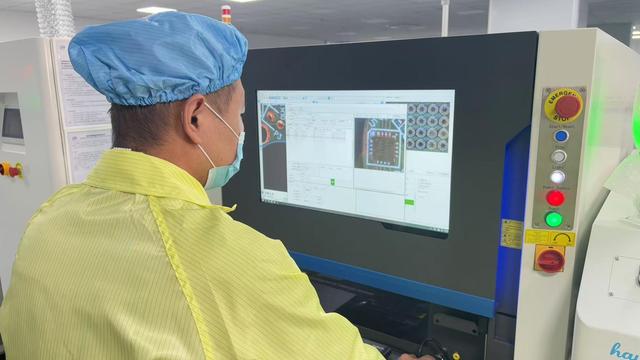
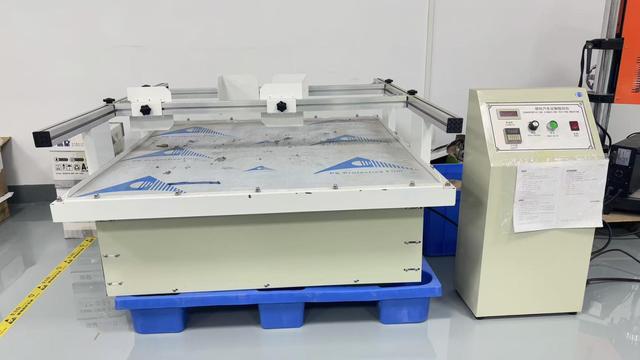
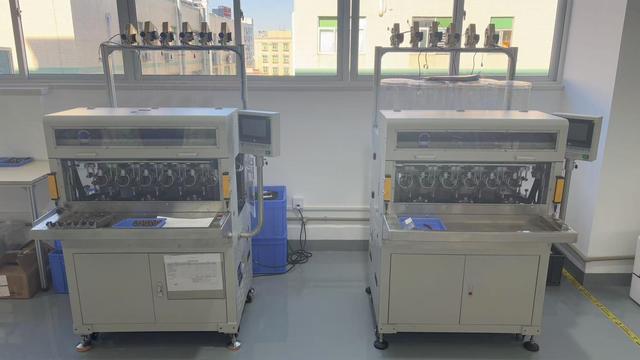
High precision, dust-free manufacturing areas showcasing advanced QA/QC calibration units, design, and warehouse lines.
Answers to technical and commercial questions for medical directors and aesthetic device purchasers in Israel.
 Vutii Beauty